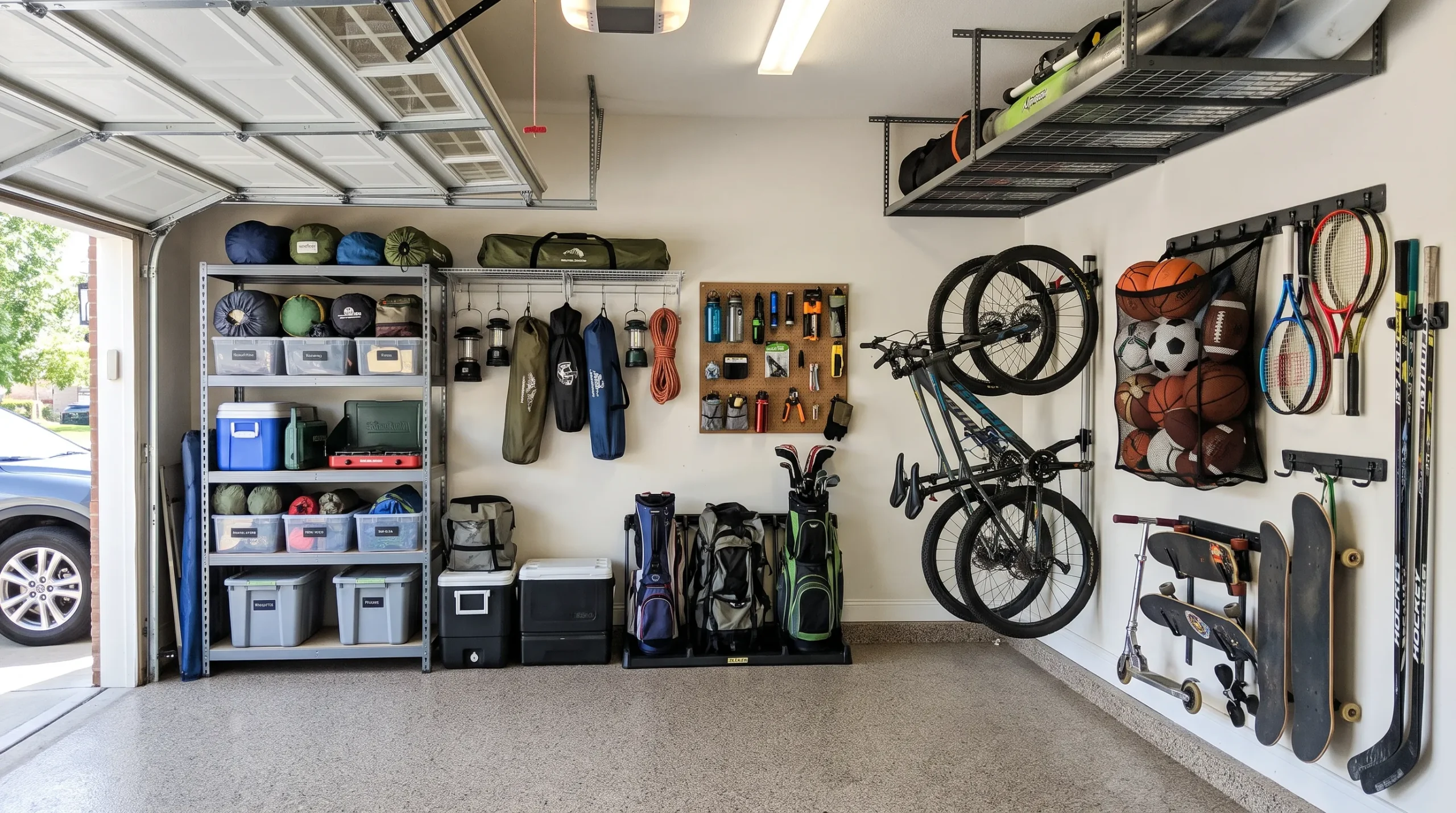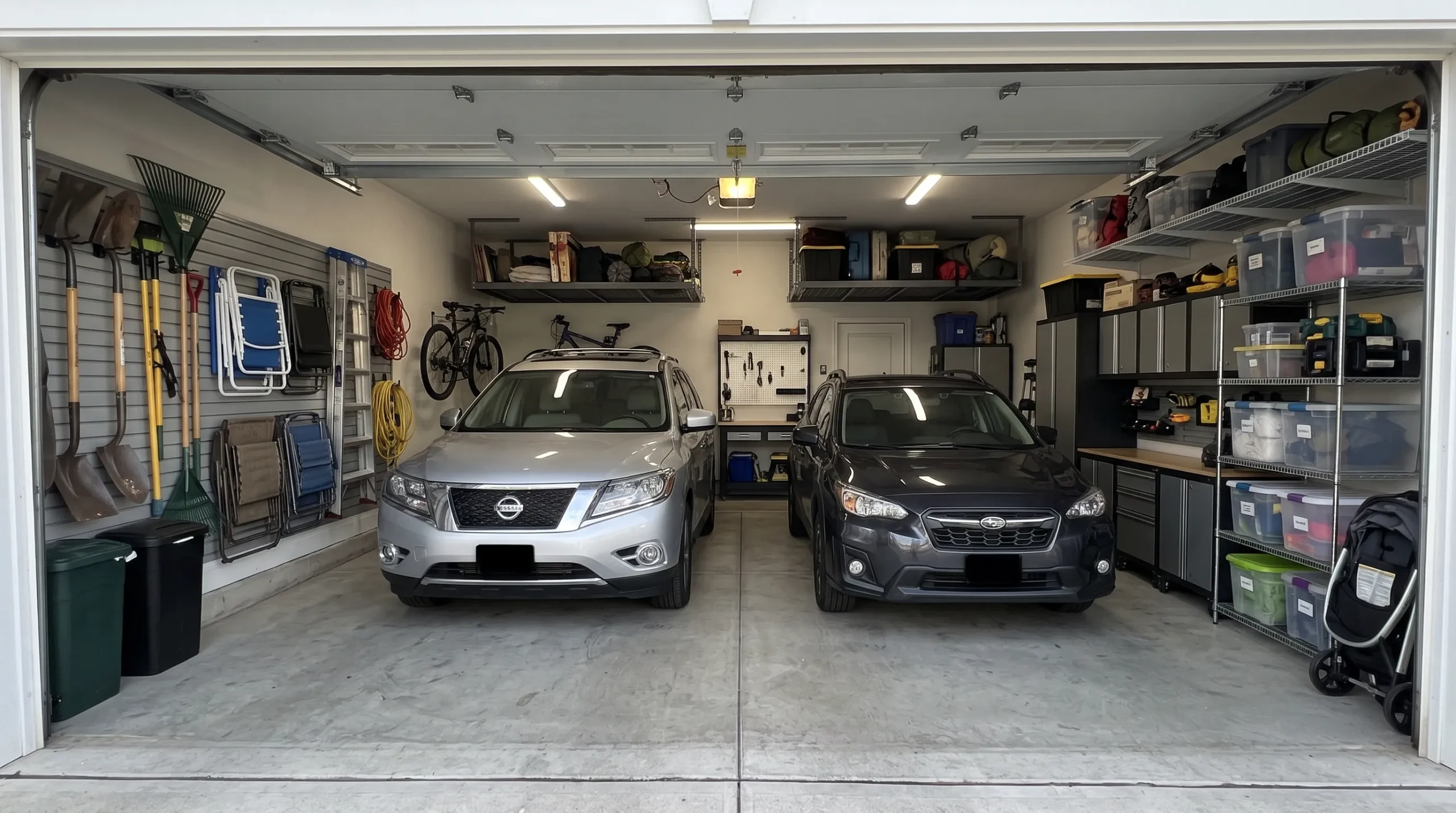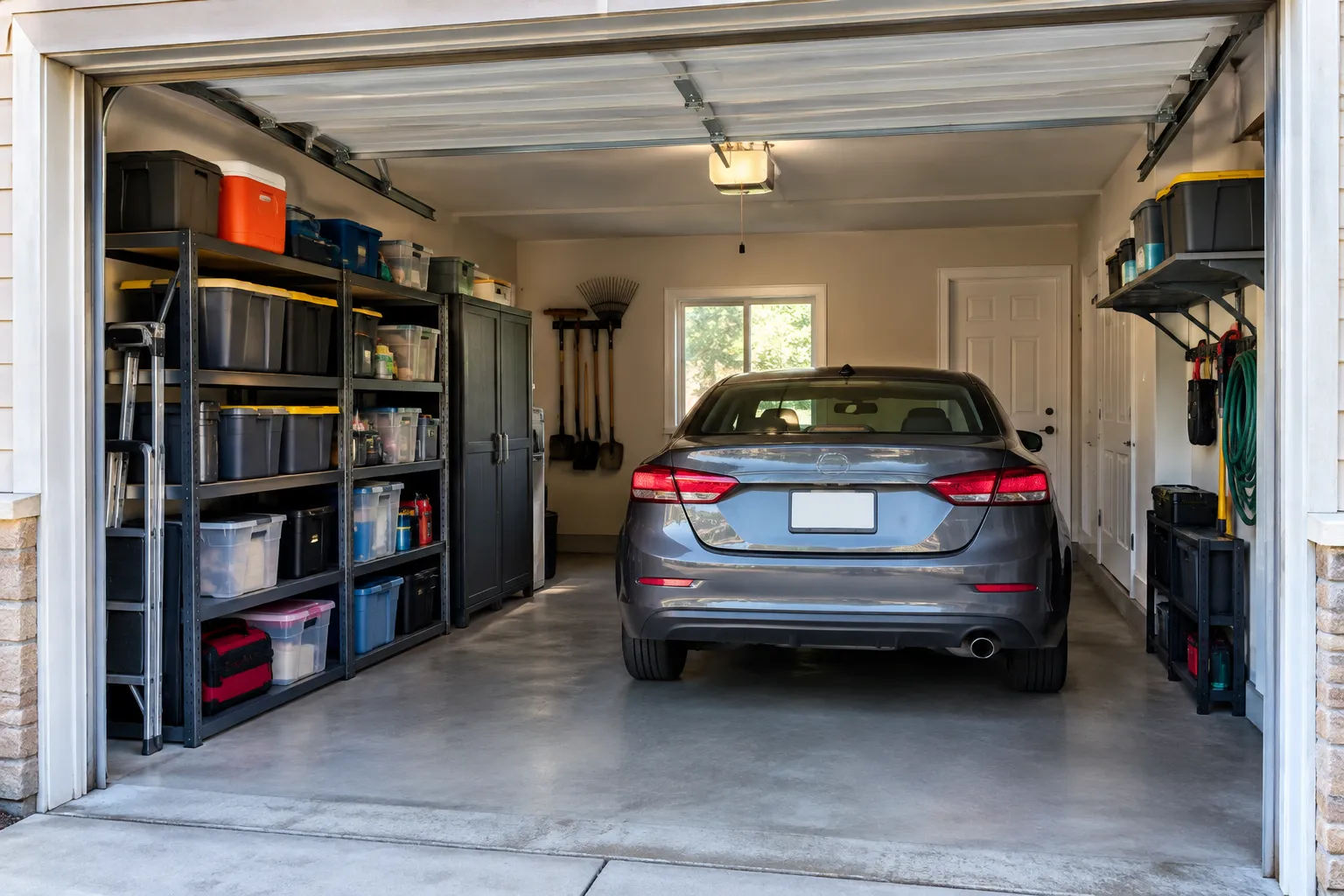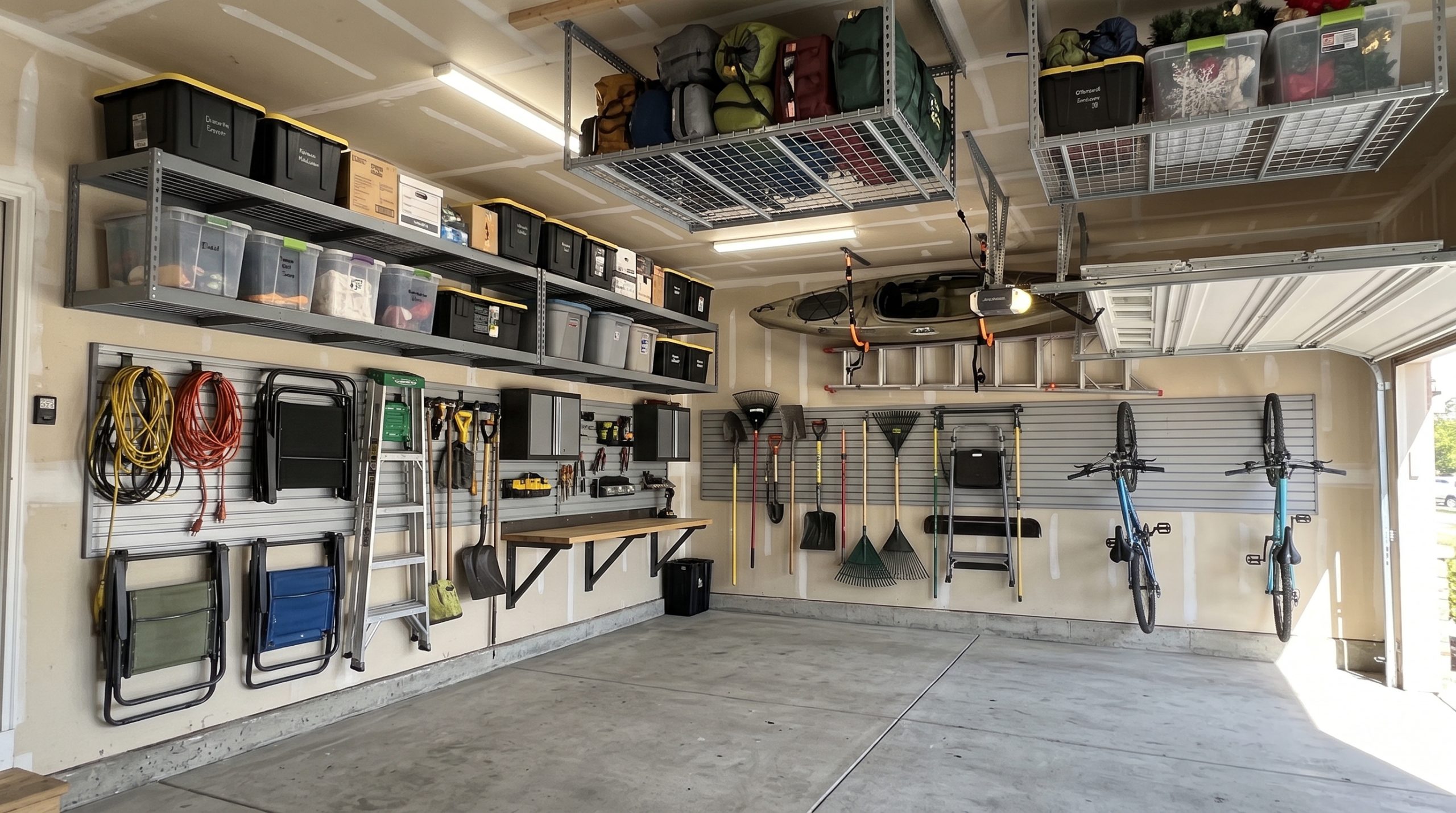



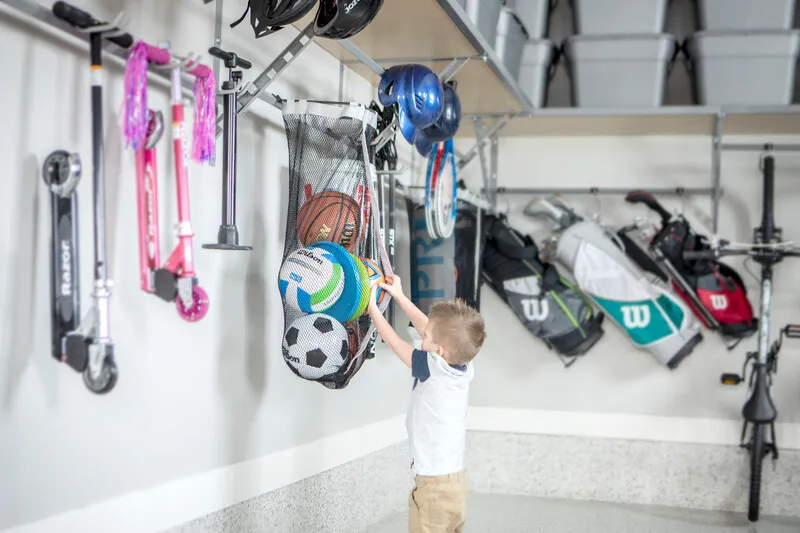
A garage in Omaha works hard. It holds snow shovels in January, camping gear in July, and everything in between. When storage racks are packed full and lifted off the floor, one question really matters: is all of that weight staying up there? That is where monkey bars garage storage safety comes in. Safety testing is the behind-the-scenes work that decides whether a shelf holds strong for years or gives out on a busy Saturday. Strong overhead storage keeps that weight up where it belongs, and a solid garage flooring base gives the whole space a clean, stable foundation to build on.
This guide breaks down how monkey bars garage storage safety is actually tested, step by step, in plain language. It also points out what to look for at home, what warning signs to watch, and when a problem is bigger than a quick fix. The goal is simple: help Omaha homeowners feel confident that their gear is stored the right way.
Why Safety Testing Matters More in Omaha
Omaha weather is not gentle on a garage. Summers get hot and humid. Winters bring freezing temperatures and heavy snow loads carried in on boots and vehicles. That freeze-thaw swing can loosen hardware over time and stress the walls and ceiling that hold shelving in place. Add in the region’s storm and tornado season, and a shaky storage setup becomes a real concern.
Good garage storage systems are built and tested to handle these conditions. When monkey bars storage is tested properly, it accounts for the pushing and pulling that temperature changes create. This is one reason overhead garage storage has become popular across Omaha neighborhoods like Millard, Elkhorn, and Papillion. Lifting bins and tools off the floor frees up space and protects belongings from moisture, but only when the system is strong enough to trust. Solid garage storage safety is not a luxury here. It is a must.
For a closer look at how these systems handle the toughest loads, check out the guide “How Safe Is Monkey Bars Garage Storage for Heavy Items?“
Weight Load Testing (How Much It Can Really Hold)

The first and most important test is load testing. This is where a shelf or rack is loaded with weight far beyond what a normal family would ever store on it. Testers add weight in steps and watch closely for bending, cracking, or slipping. A quality product is rated well below its breaking point, which gives homeowners a safety cushion.
Strong monkey bars shelving is often tested to hold hundreds of pounds per section. That extra strength matters because most people underestimate how heavy their stored items really are. A few boxes of holiday decorations, a set of car tires, and some paint cans add up fast.
What to check at home: Look for a clear weight rating printed on the label or listed in the product guide. If a rack has no rating at all, treat that as a red flag.
Warning sign: Shelves that sag in the middle are carrying more than they should. Reduce the load and spread heavy items evenly across the shelf rather than stacking them in one spot.
Want to know what really shapes a rack’s strength? The article “What Affects Monkey Bars Garage Storage Safety?” breaks it all down.
Wall Anchor and Stud Testing

A shelf is only as strong as what holds it to the wall. Anchor testing checks how well the brackets grip the wall studs, which are the wood beams hidden behind the drywall. Testers pull on the mounted system to make sure the anchors do not tear loose under pressure.
This step is a big deal for monkey bars garage shelving because the whole system relies on being locked into solid framing, not just drywall. Drywall alone cannot hold serious weight. Quality monkey bars garage storage is designed so the mounting points line up with standard stud spacing, giving the anchors real wood to bite into.
What to check at home: Gently push up on an installed shelf. It should not shift, wobble, or pull away from the wall even a little.
Warning sign: Cracks in the drywall around the brackets or screws that no longer sit flush mean the anchors may be losing their hold. This is not a wait-and-see problem. Take the weight off and have the mounting looked at right away.
Curious whether these systems really stand the test of time? The post “Does Monkey Bars Garage Storage Safety Hold Up?” has the answers.
Overhead Ceiling Mount Testing
Ceiling racks add a whole new layer of testing. Overhead garage storage hangs above cars, workbenches, and people, so failure is not an option. Testers check how the rack attaches to the ceiling joists and how it behaves when fully loaded and left in place over time.
A key part of this test is checking for slow sagging. A ceiling rack might look fine on day one, but testing over longer periods shows whether it slowly droops under steady weight. Well-built overhead garage storage stays level for years because it is engineered and tested to resist that slow droop.
What to check at home: Store lighter, bulky items like empty coolers or seasonal bins overhead, and keep heavy items like tools lower and closer to the walls.
Warning sign: Any dip, tilt, or creaking sound from a ceiling rack means it is time to lower the load and inspect the mounts before using it again.
Material Strength and Rust Testing
Metal that rusts gets weak, and weak metal fails. Material testing looks at how the steel holds up against moisture, scratches, and time. Many quality garage storage systems use powder-coated steel, which adds a protective layer that resists rust far better than bare metal.
In Omaha, this matters more than in drier climates. Melting snow, humid summers, and damp garage floors all invite rust. Testing often includes spraying salt and moisture on samples to speed up aging and see how the coating holds. Strong monkey bars storage passes these tests by keeping its surface sealed and its strength intact.
What to check at home: Run a hand along the shelving now and then. The surface should feel smooth and even, with no flaking, bubbling, or rough rusty spots.
Warning sign: Orange rust spots, especially near screws and joints, signal that the protective coating has failed. Once rust sets in and spreads, that section should be replaced rather than patched.
Bracket and Hardware Stress Testing
The small parts matter as much as the big ones. Brackets, bolts, screws, and connectors all get stress tested on their own. Testers twist, pull, and load these pieces to find their limits, because a failed bolt can bring down an entire shelf.
This is a hidden strength of well-made monkey bars shelving. The hardware is matched to the load rating of the whole system, so every piece is designed to work together. Cheaper knockoff systems often skip this step and use weak hardware that cannot keep up with the shelf itself.
What to check at home: Every few months, give the visible bolts and brackets a quick look. They should be tight and sitting firmly in place.
Warning sign: A bolt that spins freely, a bracket that has shifted, or a gap opening at a joint all point to hardware that is working loose. Snug hardware is fine to check, but any part that looks bent or stripped calls for professional attention.
Real-World Vibration and Daily-Use Testing
A garage is not a quiet place. Doors slam, cars rumble in and out, and vibrations travel through the walls and ceiling all day long. Vibration testing copies this real-world movement to see whether hardware slowly loosens over time.
This test matters for monkey bars garage storage safety because a rack can pass every single-moment test and still fail after months of daily shaking. Systems that pass are built with locking hardware and tight tolerances that stay put even with constant motion. That is a core reason quality garage storage safety focuses on the long game, not just the first install.
What to check at home: Notice whether items start creeping toward the edge of a shelf on their own. That drift is a sign of vibration at work.
Warning sign: Hardware that felt tight last season but feels loose now is telling a story. Retighten what is meant to be retightened, and flag anything that keeps loosening no matter how often it is checked.
Installation and Inspection Testing
Even the best-tested product fails if it goes up wrong. Installation testing looks at whether an average person can follow the instructions and mount the system correctly. It also covers the inspection steps a homeowner should repeat over the life of the product.
This is where expertise really pays off. Proper installation lines up brackets with studs and joists, uses the right hardware, and confirms everything is level and locked. Trusted providers of monkey bars garage shelving in the Omaha area often include a professional install option, which removes the guesswork and protects the warranty.
What to check at home: Keep the original instructions and note the recommended inspection schedule. A quick seasonal check catches small issues before they grow.
Warning sign: If a system was installed without knowing where the studs are, that is a serious concern. Do not add weight until the mounting is confirmed. This is the kind of problem best handed to a qualified installer.
Quick Safety Checklist for Omaha Homeowners
Use this short list once each season to keep monkey bars garage storage safety on track:
- Confirm each shelf still shows no sagging under its normal load.
- Push gently on wall-mounted racks to check for movement.
- Look at ceiling racks for any dip or tilt.
- Scan for rust near bolts, joints, and edges.
- Check that visible hardware is snug and nothing is bent.
- Make sure heavy items sit low and evenly spread.
- Keep the install instructions handy for reference.
Running through this list takes only a few minutes and helps every homeowner get the most out of their garage storage systems.
When to Call a Professional
Some issues are fine to monitor, and some are not. Loose hardware that keeps coming loose, cracked drywall around anchors, visible rust spreading through the metal, or any ceiling rack that dips are all signs to bring in an expert. A trained installer can check the mounting, confirm the load ratings, and make the system safe again.
Across Omaha, professional garage organization services can inspect an existing setup or handle a full install from the start. The average cost of a professional inspection or install is usually modest compared to the price of replacing damaged gear or repairing a wall, which makes it a smart step for peace of mind. Trusting monkey bars storage means knowing when a job is bigger than a weekend fix.
Trusting Your Garage Storage for the Long Haul

Safety testing is the quiet work that stands behind every strong shelf. From load testing to rust checks to real-world vibration trials, each test exists to make sure a garage setup holds firm through Omaha’s hot summers, freezing winters, and everything the seasons throw at it. Understanding how monkey bars garage storage safety is tested gives homeowners the power to spot problems early and store their belongings with confidence.
Well-tested overhead garage storage and reliable monkey bars garage storage turn a cluttered garage into clean, usable space. Pair quality garage storage systems with regular checks and smart loading, and that space stays safe for years. When a warning sign shows up, act early, and lean on a professional for anything that reaches past a simple check. A thoughtful garage coordinated design ties everything together, from sturdy garage cabinets that hide clutter to shelving that keeps daily gear within reach. Strong garage storage safety is not luck. It is the result of good testing, good habits, and good judgment.
Let the Omaha Experts Handle Your Garage
Platinum Garage Solutions brings the local knowledge and hands-on skill that Omaha garages need. Our team designs, installs, and inspects monkey bars garage storage the right way, anchoring every system into solid framing and matching the setup to your home and your gear. Homeowners across the metro trust us for clean, safe, and organized garages that stand up to every season. Ready to store your belongings with confidence? Contact us today or give us a call, and let the experts turn your garage into space you can trust.