


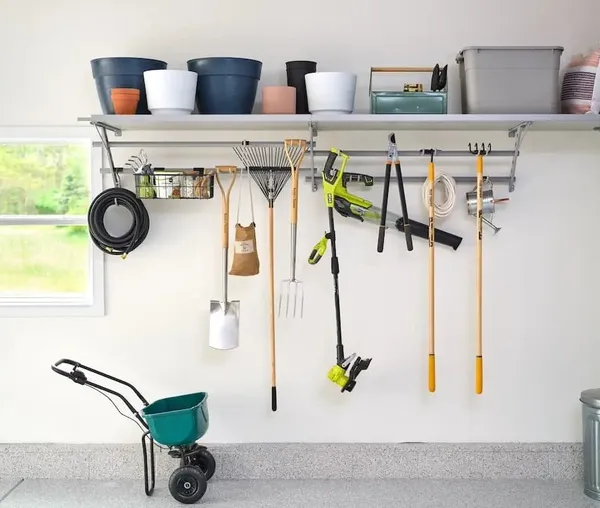
Monkey bars garage storage safety holds up well when the system is installed into solid ceiling joists or wall studs, loaded within its rated weight limit, and checked once or twice a year. Most failures come from bad installation, overloading, or ignored wear, not from the product itself. In Omaha, where humidity and big temperature swings are common, a few extra checks keep everything secure.
Anyone with a cluttered garage in Omaha has probably looked up at that empty ceiling space and thought about putting it to work. Overhead racks and heavy steel shelving promise a cleaner floor and more room for the car, and pairing overhead storage with durable garage flooring turns a plain space into one that looks finished and works harder. Monkey bars garage storage is one of the more popular options in the metro, and it has a strong reputation for holding serious weight. Still, a smart question comes up again and again: does the safety really hold up once boxes of holiday decorations, tools, and old paint cans start piling on?
The short version is yes, but only when a few key things are done right. Below are eight monkey bars garage storage safety facts that matter most, plus what to look for and how to keep problems from starting in the first place.
What Is a Monkey Bars Storage System?

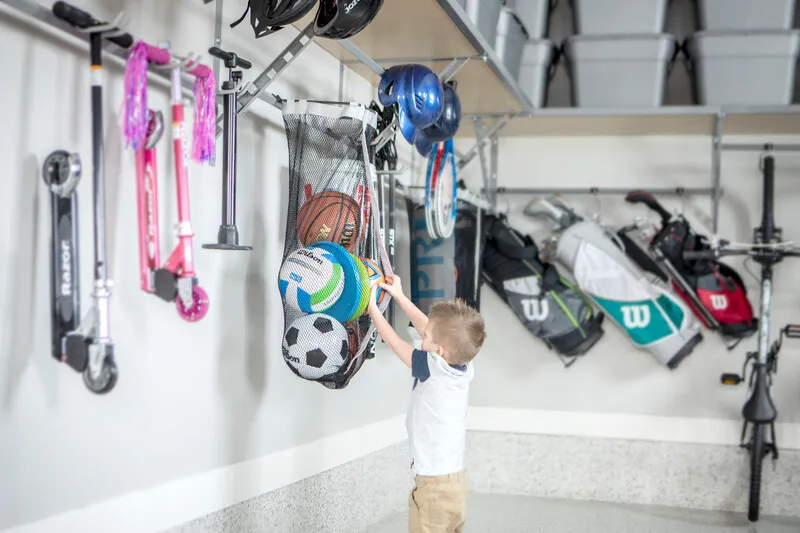
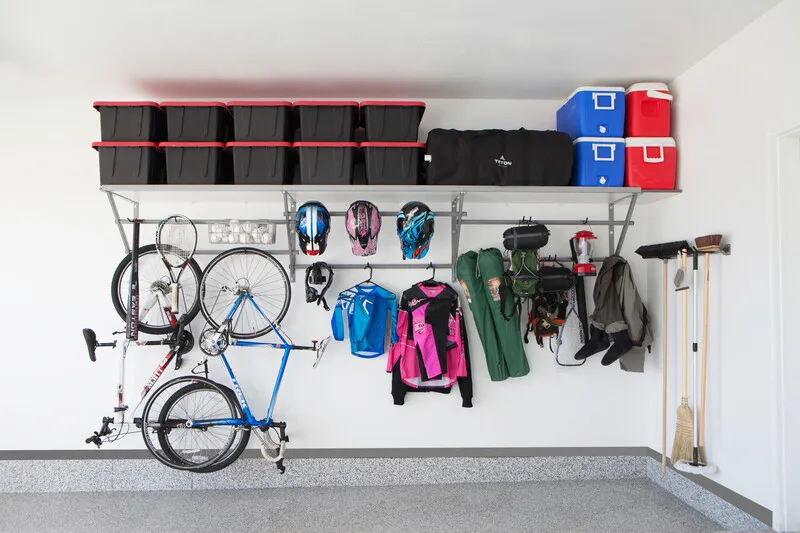
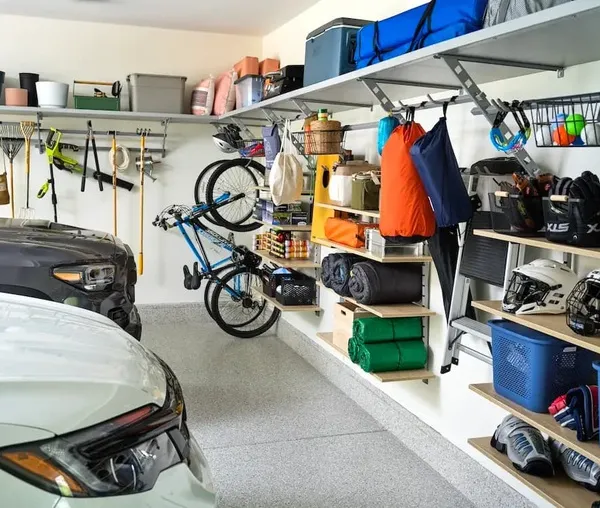
Monkey bars storage is a garage organization setup built around powder-coated steel rails, sturdy shelves, and a wide range of hooks and wire baskets. The rails mount to the wall, and the accessories slide and lock into place. Many homeowners pair the wall units with overhead garage storage racks that hang from the ceiling. Together, these garage storage systems clear the floor and lift heavy or bulky items out of the way.
The appeal is strength. Monkey bars shelving is designed to hold a lot more than typical big-box plastic shelving. That strength is real, but it only works as intended when the parts are matched to the space and the load stays inside the limits.
Want to know exactly how much these systems can take? The guide “How Safe Is Monkey Bars Garage Storage for Heavy Items?” breaks it down in detail.
The 8 Safety Factors That Actually Matter
1. Overhead Rail Weight Capacity
Every rack and shelf has a rated weight limit. Overhead garage storage units often handle several hundred pounds when installed correctly, but that number assumes the rack is anchored into the right framing and the weight is spread out evenly.
What to check: find the load rating printed on the product sheet or stamped on the hardware, then estimate what the shelf is actually carrying. A single box of tile or a mini fridge can eat up a rating fast.
How to stay safe: keep the heaviest items low and centered, and leave a comfortable buffer below the max rating rather than loading to the edge.
2. Wall Stud and Anchor Strength
Wall-mounted monkey bars garage shelving is only as strong as what it grips. Drywall alone will not hold a loaded steel rail. The lag screws need to bite into wood studs.
What to check: confirm the mounting screws hit studs, not just drywall or an anchor. A stud finder makes this quick, and a loose or spinning screw is a warning sign.
How to stay safe: if a rail feels wobbly or the wall shows cracking around the mounts, stop loading it and have the mounting reviewed. Solid anchoring is the heart of monkey bars garage storage safety.
3. Ceiling Joist Condition in Older Omaha Homes
Plenty of homes around Dundee, Benson, and other established Omaha neighborhoods were built decades ago. Older ceiling joists can be a different size and spacing than newer construction, and some have taken on sag or moisture damage over the years.
What to check: look for cracked, split, or water-stained joists before hanging any overhead garage storage. Ceiling racks must attach to real structural joists, never just the ceiling drywall.
How to stay safe: in an older garage, a quick look at the framing before installation prevents the most serious failures. Sound joists are non-negotiable for safe overhead loads.
4. Shelf and Basket Overloading
Overloading is the number one cause of trouble with garage storage systems, and it usually happens slowly. One heavy item at a time gets added until a shelf that felt rock solid is now carrying far more than it should.
What to check: wire baskets and hooks have their own smaller limits, separate from the main shelf. A basket rated for light items should not hold a car battery or a full toolbox.
How to stay safe: match the item to the accessory, and glance up now and then to see whether the shelves are starting to bow. A visible bend means it is time to lighten the load.
5. Nebraska Humidity, Temperature Swings, and Rust
Omaha weather is hard on metal. Humid summers, freezing winters, and quick temperature changes create condensation that can lead to rust over time. Monkey bars shelving uses powder-coated steel that resists corrosion well, but scratches and chips can open the door to rust.
What to check: inspect for chipped coating, orange staining, or rough spots, especially near screw heads and cut edges.
How to stay safe: keep the garage ventilated, wipe down damp metal, and touch up small coating chips before they spread. Good coating is a real part of long-term garage storage safety in this climate.
6. Installation Quality
A strong product installed poorly is still a risk. Skipped screws, uneven rails, or brackets that are not fully seated all reduce the true holding strength of monkey bars garage storage.
What to check: every mounting point should be tight, level, and using the hardware the manufacturer specified. A rack that leans or a rail that pulls away from the wall points to an install problem.
How to stay safe: follow the instructions exactly, or hire an experienced installer. Cutting corners on installation quietly undoes all the engineering that makes these systems strong.
7. Hardware Wear Over Time
Bolts loosen, brackets shift, and repeated loading and unloading works parts free little by little. This is normal, and it is why monkey bars garage storage safety depends on maintenance, not just the first install.
What to check: run a hand along the mounts once or twice a year and feel for movement. Listen for creaks under load, and look for gaps that were not there before.
How to stay safe: snug up any loose hardware, and replace anything bent, stripped, or badly worn. Small fixes early prevent big problems later.
8. Skipping Routine Inspections
The most common mistake is simply forgetting the system exists once it is loaded. Overhead garage storage tends to be out of sight, and out of sight becomes out of mind.
What to check: set a reminder to look over all garage storage systems at least twice a year, plus a quick glance any time a heavy item goes up.
How to stay safe: a five-minute inspection covers weight, wear, and anchoring, and it is the cheapest insurance available for a loaded garage.
Curious about everything that plays a role here? The post “What Affects Monkey Bars Garage Storage Safety?” digs into each factor worth knowing.
A Quick Safety Checklist for Omaha Garages

- Screws anchored into studs or joists, not drywall alone
- Load kept below the printed weight rating with a safety buffer
- Heaviest items placed low and centered
- Wire baskets and hooks used only within their own limits
- No sagging shelves, leaning racks, or pulling rails
- Powder coating intact, with no rust or chipped spots
- All hardware tight and free of bends or stripping
- A twice-a-year inspection on the calendar
Running through this list keeps monkey bars garage storage safety in good shape year-round.
To see how these systems earn their strength ratings, check out “How Is Monkey Bars Garage Storage Safety Tested?” for the full picture.
How to Avoid the Most Common Problems
Most trouble with monkey bars garage shelving traces back to three habits: guessing at weight, ignoring the framing behind the walls, and never looking up after the first install. Avoiding all three is straightforward.
Start by knowing the numbers. Every part of monkey bars storage has a rating, and staying comfortably under it removes most of the risk. Next, respect the structure. Studs and joists carry the real load, so anchoring into them is the whole game. Finally, build a habit of checking. Garage storage systems are quiet right up until they are not, so a short inspection twice a year catches loose bolts and early rust long before they become a falling-shelf story.
Omaha homeowners have one extra thing to watch: the weather. The freeze-and-thaw cycle and summer humidity work on metal and framing alike, so a spring and fall check fits the local climate nicely.
When to Call a Local Pro
Some situations are better handled by an experienced installer. If a garage has older or damaged joists, unusual framing, a finished ceiling that hides the structure, or plans for a very heavy overhead garage storage load, professional installation is worth it. A pro confirms the framing can take the weight, uses the right hardware, and mounts everything level and tight.
Professional installation and inspection is not expensive relative to the value of what gets stored, and the average cost is modest compared to the risk of a loaded rack coming down on a vehicle. Many Omaha homeowners choose a pro for the overhead pieces and handle the simpler wall shelving themselves.
Does Monkey Bars Garage Storage Safety Really Hold Up in Omaha?

So, does monkey bars garage storage safety hold up? Yes. Monkey bars garage storage is genuinely strong, and monkey bars shelving is built to carry serious weight for years. The system earns its reputation when it is anchored into solid framing, loaded within its limits, protected from rust, and checked on a regular schedule. Skip those steps and any garage storage system becomes a hazard, no matter the brand.
For Omaha homeowners, the recipe is simple: mind the weight, respect the studs and joists, watch for rust from the Nebraska humidity, and give the whole setup a quick look twice a year. When the shelving is part of a garage coordinated design that ties in garage cabinets and matching storage, the space stays both safe and organized. Do that, and overhead garage storage and heavy-duty shelving will keep the floor clear and the garage safe for the long haul.
Get Your Garage Done Right by Omaha’s Trusted Team
Platinum Garage Solutions helps Omaha homeowners get the most out of their space with expertly installed monkey bars garage storage, durable shelving, and overhead racks built to last. Our team knows local homes, local weather, and exactly how to anchor and load a system so it stays safe for years. Every install is done with quality hardware, solid framing connections, and a real focus on garage storage safety from start to finish. Ready to clear the clutter and gain peace of mind? Contact us today or give us a call to schedule your free consultation and see what a professionally installed garage storage system can do for your home.