



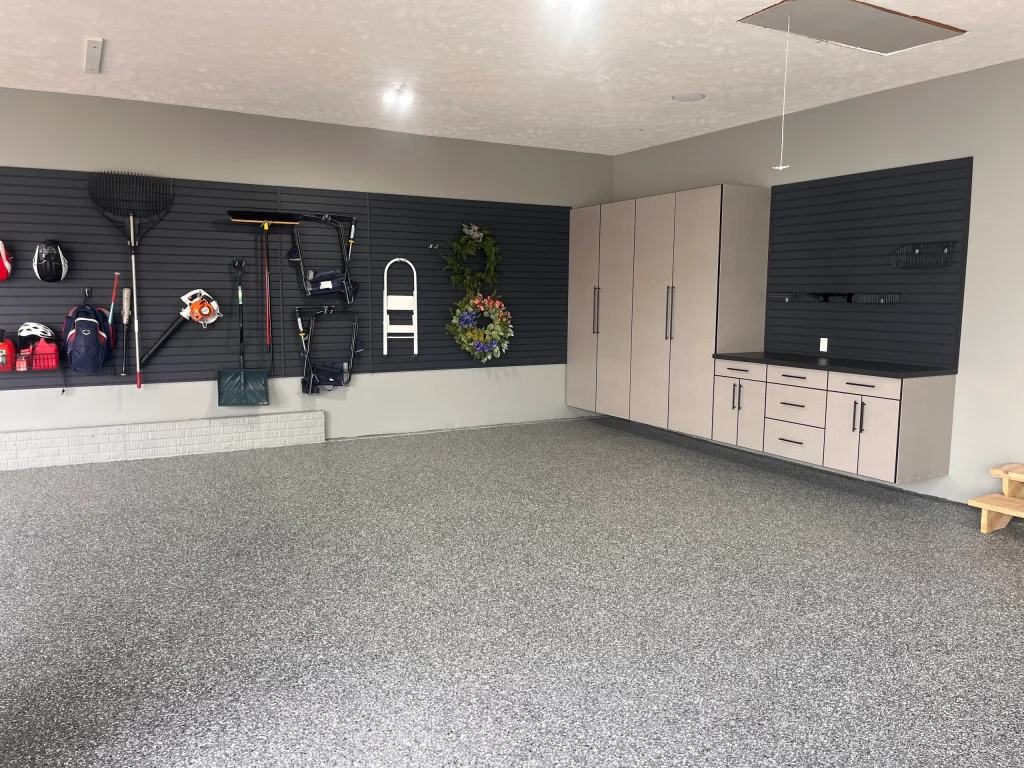
A garage is one of the most frequently used areas of a home, yet it is often overlooked when it comes to planning and organization. For many homeowners, it serves multiple purposes: parking vehicles, storing tools, holding seasonal items and even acting as a workspace. Because of this, garage layout and garage coordinated design play a direct role in how efficiently daily routines run.
In Omaha, NE, where weather conditions can shift from freezing winters to humid summers, a poorly designed garage layout can quickly become a daily inconvenience. Snow-covered vehicles, wet floors and bulky seasonal equipment all demand a space that is both functional and adaptable, with a coordinated design that keeps everything working together seamlessly.
A well-planned garage layout improves accessibility, enhances safety, protects belongings and ensures garage door systems operate without obstruction. When paired with a thoughtful garage coordinated design, the space becomes more organized, visually consistent and easier to maintain. Understanding how layout choices affect daily functionality helps homeowners create a space that supports, not slows down, their everyday lives.

Poor Traffic Flow Slows Down Daily Routines
One of the most common issues in garage design is poor traffic flow. When movement is restricted, even simple tasks like entering the home or unloading groceries can become frustrating.
Why It Matters
A garage should allow for smooth movement between key areas: vehicle space, entry doors and storage zones. When pathways are blocked, daily routines take longer and require more effort. During Omaha winters, navigating around clutter while carrying items through snow or ice adds unnecessary difficulty.
What to Check
- Clear walking paths from the garage to the home
- Enough space to open car doors fully
- Obstacles that interrupt movement
Expert Insight
Efficient garages prioritize open space and logical flow. A clear path reduces stress, improves safety and supports faster transitions in and out of the home.
Practical Tip
Keep central areas open and move storage to the perimeter. Establish a consistent path that remains clear year-round.
For more helpful insights, explore the related guide “What are common garage layout mistakes?” to better understand what to avoid when planning a functional garage space.
Inefficient Storage Leads to Daily Clutter
Clutter is one of the biggest barriers to a functional garage. Without proper storage systems, items tend to pile up, making the space difficult to use.
Why It Matters
Disorganized garages lead to wasted time searching for tools, equipment, or household items. Over time, clutter also reduces available space and creates visual stress.
What to Check
- Items stored on the floor instead of shelves
- Lack of designated storage areas
- Difficulty locating frequently used items
Expert Insight
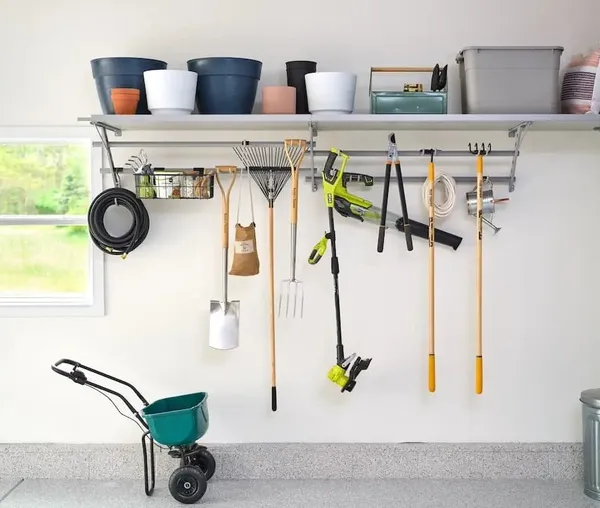
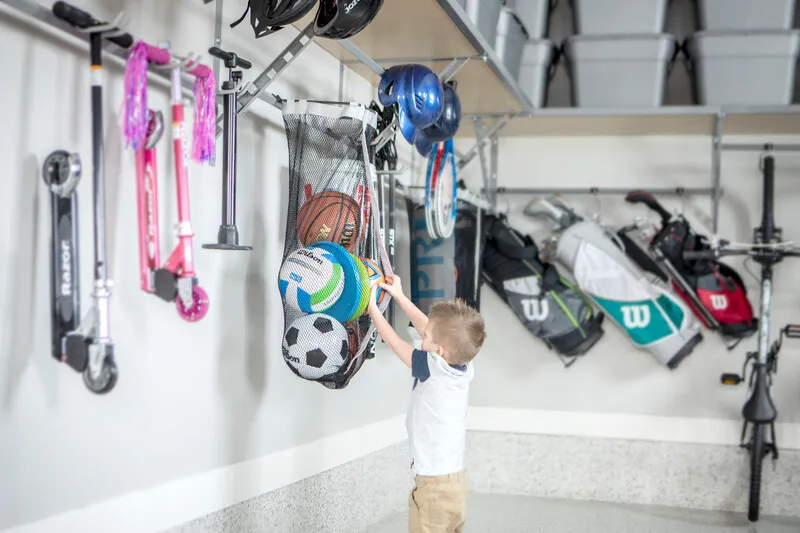
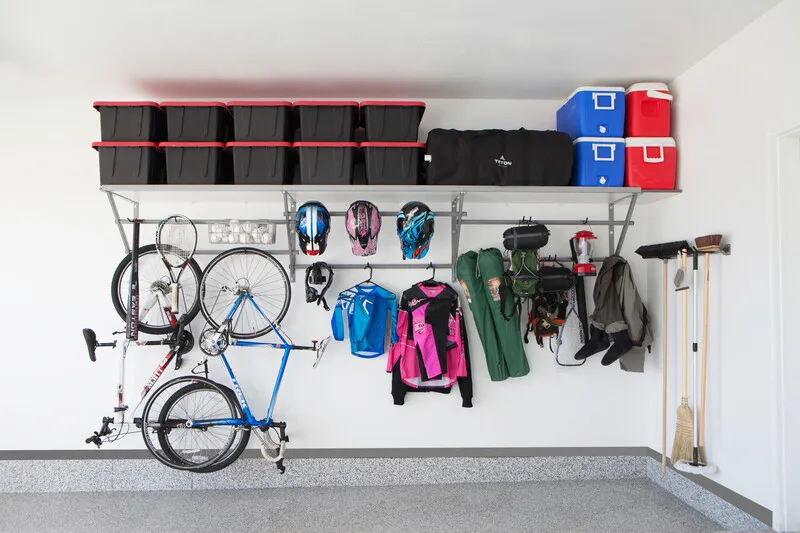
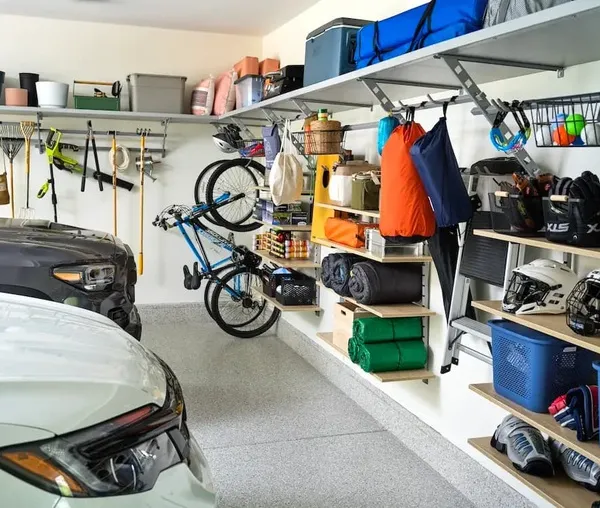
Effective storage solutions such as garage shelving, cabinets and slatwall systems help maximize vertical space and keep the floor clear.
Practical Tip
Group similar items together and store them in labeled areas. Frequently used items should be easy to reach, while seasonal items can be stored higher or further back.
Average Cost Insight
Basic shelving and wall systems are typically low in cost, while custom cabinetry and overhead storage solutions may fall into a moderate range.
To learn more about space-related issues, check out “What makes a garage layout inefficient or cramped?” for deeper insights.
Blocked Garage Door Components Reduce Efficiency
Garage layout directly impacts how well garage door systems function. When components are blocked, performance and safety can be affected.
Why It Matters
Garage doors rely on clear tracks, functioning sensors and accessible openers. Obstructions can cause delays, uneven operation, or safety risks. In colder Omaha temperatures, these issues can become more noticeable due to material contraction and mechanical strain.
What to Check
- Clearance around tracks and rollers
- Visibility and alignment of safety sensors
- Accessibility of the garage door opener
Expert Insight
Maintaining space around all garage door components ensures smooth operation and reduces long-term wear.
Practical Tip
Avoid placing storage items near door tracks or mechanical systems. Keep these areas clear to prevent interference.
For more insight into common planning challenges, read “Why do homeowners struggle with garage layout planning?”.
Limited Workspace Reduces Functionality
Garages often double as workspaces for repairs, hobbies, or home projects. Without a designated area, productivity and organization suffer.
Why It Matters
A lack of workspace leads to scattered tools and unfinished projects. It can also interfere with parking and storage areas, making the garage feel cramped.
What to Check
- Availability of a workbench
- Organization of tools and equipment
- Lighting in work areas
Expert Insight
A dedicated workspace improves efficiency and keeps projects contained within a specific area.
Practical Tip
Create a compact workstation with nearby tool storage. This keeps tasks organized and prevents disruption to other areas of the garage.
Poor Lighting Makes Everyday Tasks Harder
Lighting is a key factor in garage usability, yet it is often underestimated.
Why It Matters
Poor lighting reduces visibility, making it harder to find items, complete tasks and move safely. This becomes especially important during early mornings, evenings, or winter months when daylight is limited.
What to Check
- Dark corners or uneven lighting
- Outdated or dim bulbs
- Lack of task lighting in key areas
Expert Insight
Well-lit garages improve safety and efficiency. Bright, consistent lighting supports better organization and reduces strain on the eyes.
Practical Tip
Install LED lighting for better coverage and energy efficiency. Add focused lighting in work areas and near entry points.
Seasonal Challenges in Omaha Affect Layout Efficiency
Omaha’s changing seasons create unique challenges for garage functionality. Snow, rain and humidity all impact how the space is used.
Why It Matters
Winter conditions bring wet floors, salt residue and bulky equipment. Without proper planning, garages can quickly become messy and difficult to navigate.
What to Check
- Storage for seasonal tools and gear
- Floor conditions during wet weather
- Durability of storage materials
Expert Insight
Planning for seasonal changes helps maintain organization and protects both the garage and stored items.
Practical Tip
Create a designated area for winter gear such as boots, shovels and coats. Use moisture-resistant materials to prevent damage.
Overcrowding Reduces Parking Efficiency
An overcrowded garage makes parking difficult and increases the risk of damage.
Why It Matters
Limited space can lead to tight maneuvering, which increases the chances of hitting stored items or walls. This is especially challenging during icy conditions.
What to Check
- Clearance around vehicles
- Placement of storage near parking areas
- Ease of entering and exiting vehicles
Expert Insight
Maintaining adequate space around vehicles improves both safety and convenience.
Practical Tip
Regularly declutter and remove unused items. Keep at least two to three feet of space around parked vehicles.

Safety Risks Increase with Poor Layout Design
Safety is a critical consideration in garage design. A poorly organized space can lead to accidents.
Why It Matters
Loose items, unstable storage and cluttered floors increase the risk of trips, falls and injuries.
What to Check
- Items left on the ground
- Stability of shelves and storage units
- Clear access to exits
Expert Insight
Safe garage layouts prioritize organization and accessibility. Keeping floors clear is one of the most effective ways to reduce risk.
Practical Tip
Use hooks, bins and wall-mounted systems to store items securely and keep the floor free of hazards.
Lack of Zoning Makes the Garage Less Functional
A garage without defined zones can quickly become disorganized.
Why It Matters
When storage, parking and workspace areas overlap, the garage becomes harder to use and maintain.
What to Check
- Separation between different functional areas
- Organization of tools and equipment
- Ease of locating items
Expert Insight
Zoning creates structure and improves usability. Each area serves a specific purpose, making the garage more efficient.
Practical Tip
Divide the garage into zones for parking, storage, workspace and seasonal items. Keep similar items grouped together.
Additional Tips to Improve Garage Functionality
Improving garage layout does not always require major renovations. Small changes can deliver noticeable results.
Helpful tips include:
- Start with decluttering and removing unused items
- Keep walkways and garage door areas clear
- Use vertical storage such as shelving and garage slatwall systems to maximize space
- Ensure garage door components remain unobstructed
- Invest in durable and weather-resistant storage solutions
- Plan for Omaha’s seasonal conditions
These adjustments can significantly improve how the garage functions on a daily basis.
When to Consider Professional Help
Some garage layout issues go beyond simple organization and require professional attention, especially when upgrades like garage shelving still do not resolve space or accessibility problems.
Consider Professional Assistance If:
- The garage door is misaligned or difficult to operate
- The opener is hard to access or not functioning properly
- Structural limitations affect layout improvements
- Safety concerns remain even after reorganizing or installing garage shelving
Professional service ensures that both layout and garage door systems are safe, efficient and properly maintained.
A Functional Garage Starts with Smart Layout Planning
Garage layout plays a major role in daily functionality, safety and overall convenience. Small inefficiencies can create ongoing frustration, while thoughtful design, including the use of garage cabinets, can make everyday tasks easier and more efficient.
For homeowners in Omaha, planning for seasonal changes, maintaining clear access to garage door systems and using effective storage solutions such as shelving and garage cabinets are essential steps toward creating a functional space.
With the right approach, a garage can become more than just a storage area; it can be a well-organized, reliable part of daily life that supports both convenience and long-term use.
Upgrade Your Garage with Expert Solutions
For homeowners looking to take their garage to the next level, Platinum Garage Solutions offers professional expertise in optimizing garage layouts, improving storage systems and ensuring garage door components function safely and efficiently. Whether addressing layout challenges or upgrading overall functionality, expert guidance can make a lasting difference. Contact us today or give us a call to create a garage space that works better every day.