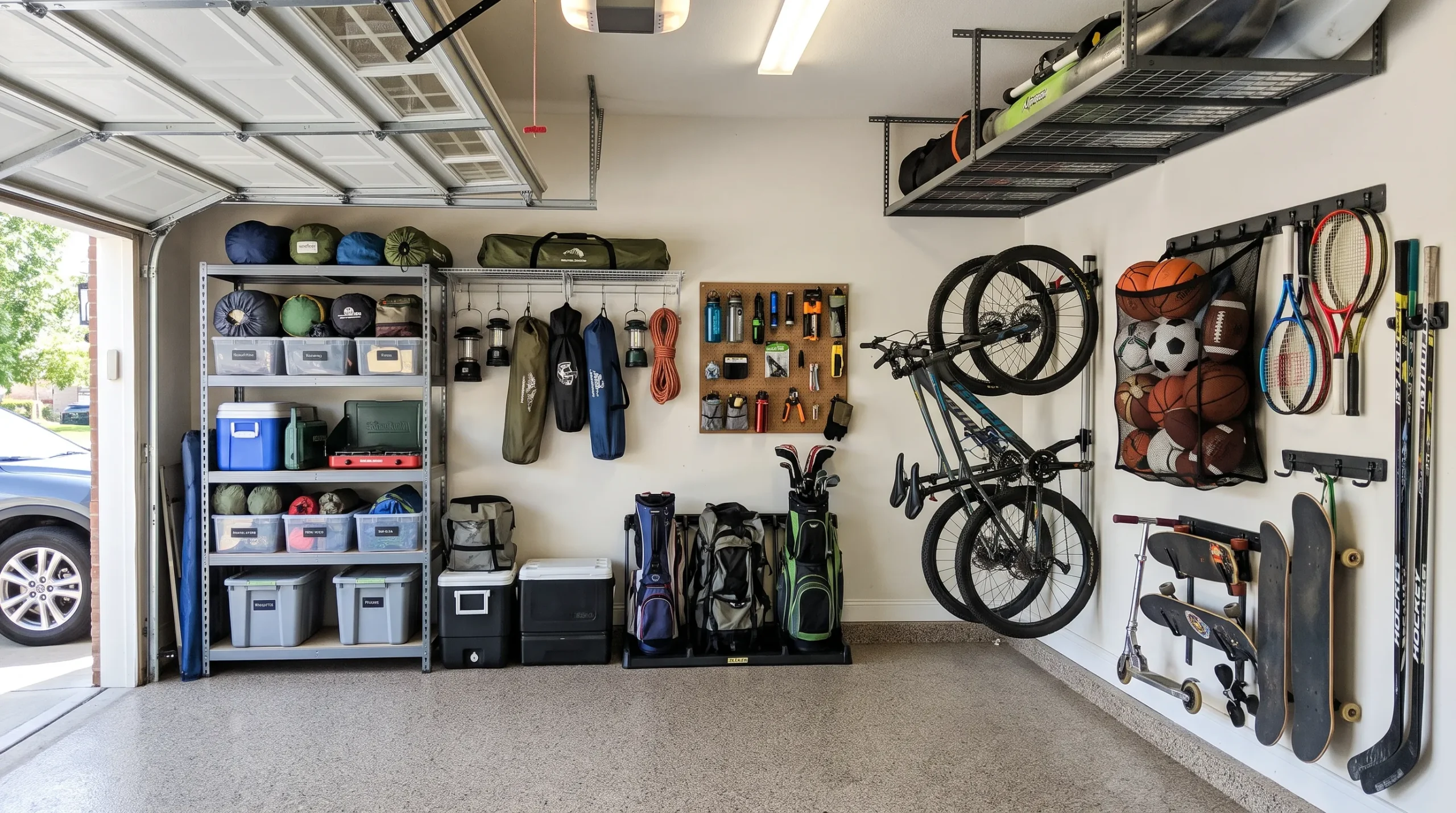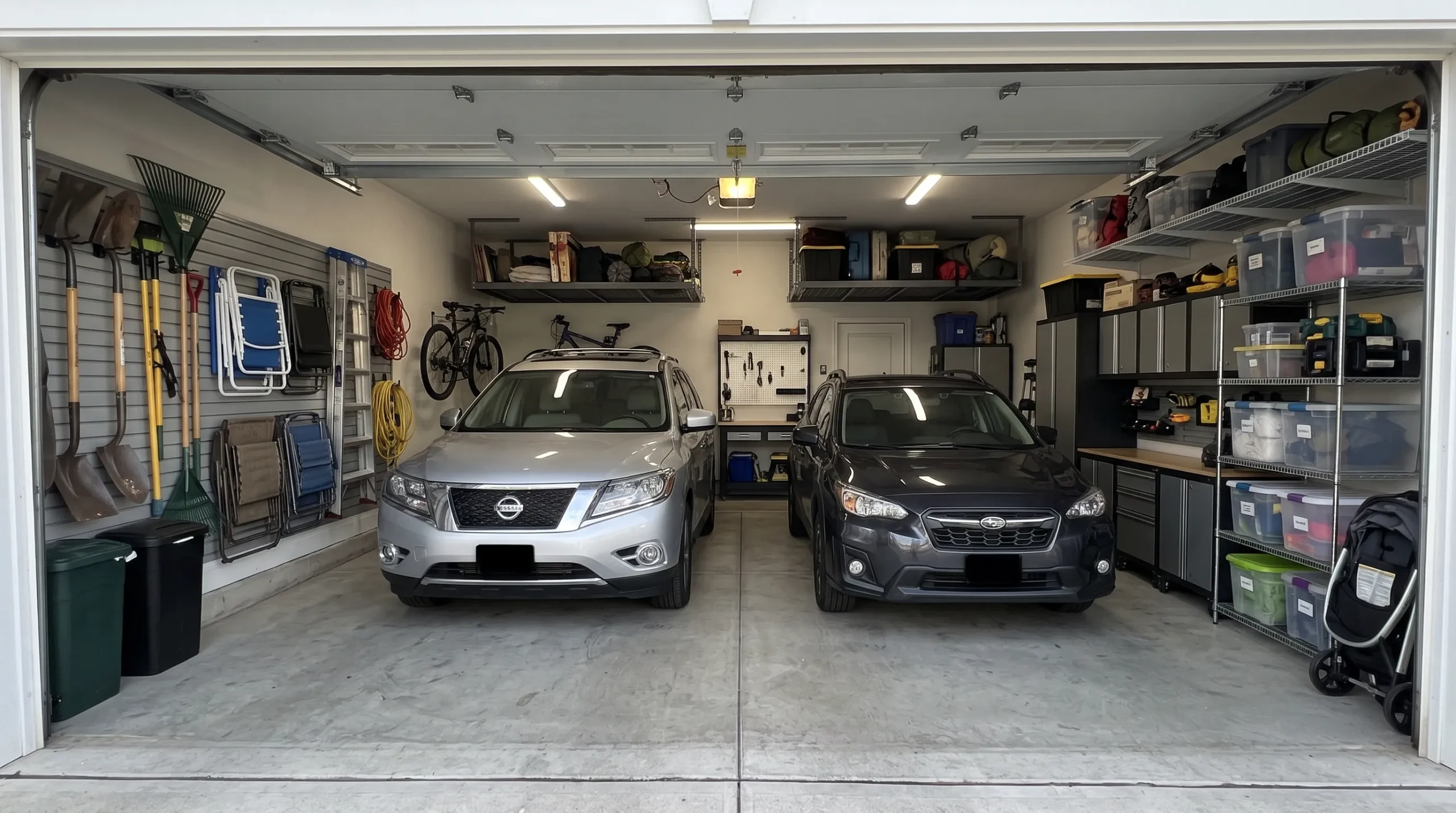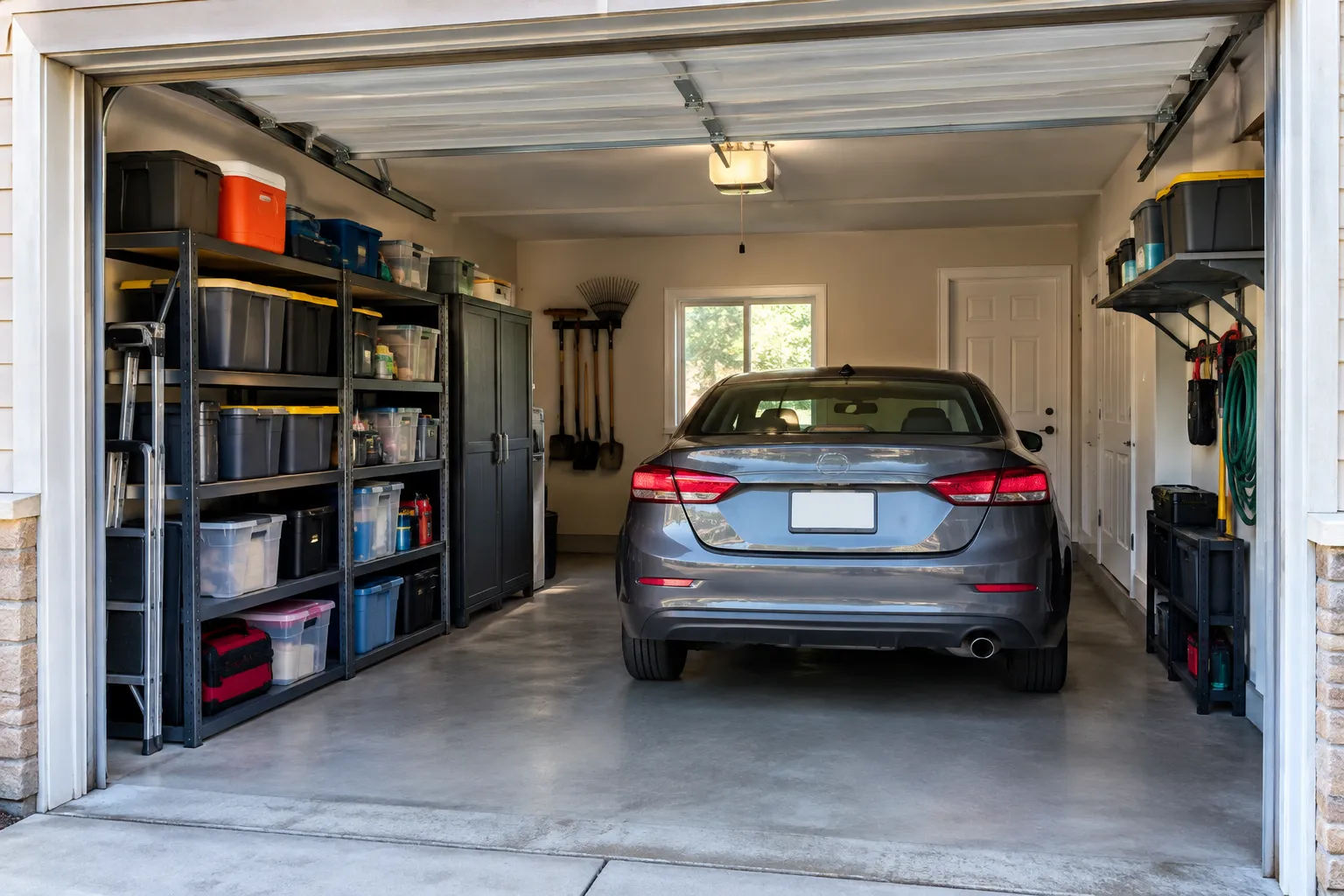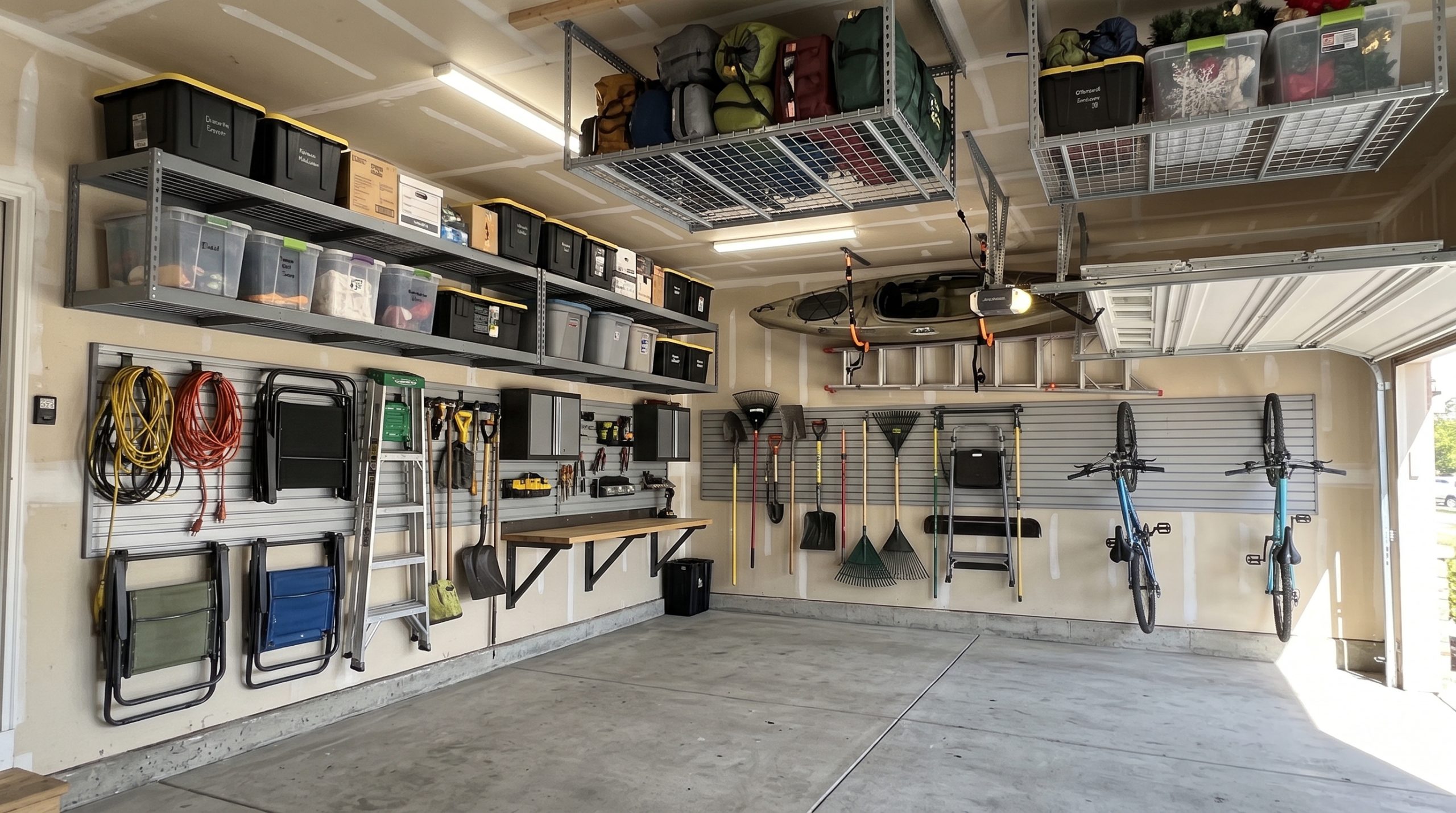




A garage can feel like it has plenty of space until the day it doesn’t. One new hobby, one busy season, or one round of “we’ll deal with it later” can turn your garage into a tight maze of bins, tools, sports gear, and mystery boxes. In Omaha, NE, this happens fast because we rotate between hot summers, cold winters, storms, and long stretches where seasonal gear needs a home.
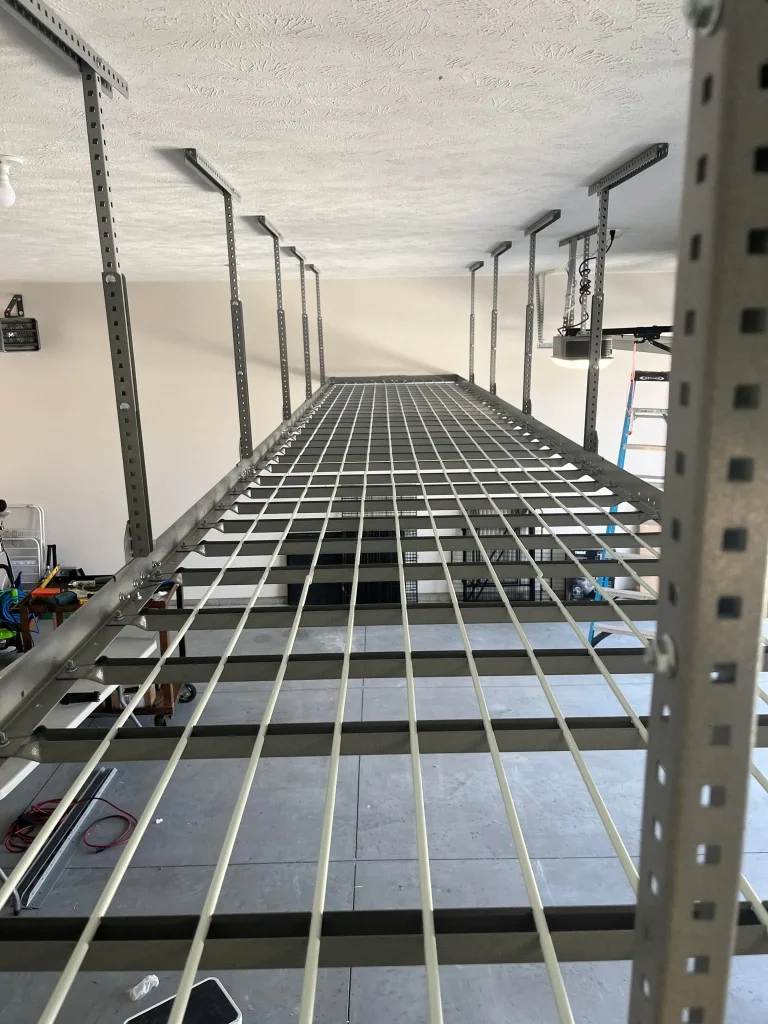
Overhead garage storage solutions help when the floor is doing too many jobs at once. The goal is simple: move the bulky, less-used items up high so your garage becomes easier to walk through, safer to use, and easier to keep organized. If you have ever had to slide a bin across the floor just to reach something behind it, you already know the problem overhead storage is built to solve.
Signs It’s Time to Use Overhead Garage Storage
Most homeowners do not wake up and randomly decide to install overhead garage storage. It usually happens after a pattern repeats long enough that the garage starts to feel like a daily obstacle. Here are the most common signs that overhead garage storage solutions are no longer a “nice idea” but a practical need.
Your garage floor is no longer a floor.
If you are stepping over boxes, weaving around bins, or squeezing between bikes and garage shelving, your garage is sending a clear message. When the floor becomes the default storage area, it is hard to clean, hard to park, and easy to trip.
You can’t park the way you want to.
A lot of garages have enough square footage for parking, but not enough usable space because everything is stacked in the wrong zones. If one side of the garage has turned into a wall of stuff, overhead storage can restore the footprint you need for vehicles and walking paths.
You keep re-stacking the same items.
If you move the same bins every month to reach a ladder, a cooler, or a tote of decorations, your storage layout is working against you. Overhead racks are helpful when you want long-term storage for items you do not need every day, but still want easy access a few times a year.
Your shelves are full, but you still have piles.
Wall shelving is great, but shelves fill up fast. Once shelves are packed edge-to-edge, items spill onto the floor. Overhead storage solutions add a second “layer” of storage without taking up more wall space.
Seasonal gear keeps taking over.
In Omaha, seasonal items add up quickly: winter gear, summer gear, storm supplies, holiday decor, camping bins, and sports equipment. When those items are not in use, they still need a home. Overhead storage is often the cleanest way to store seasonal bins without turning the garage into a storage tunnel.
If you want a more detailed checklist of warning signs and daily-life triggers, read What Signs Show You Need Overhead Storage Solutions?.
The Best Times to Install Overhead Garage Storage
You can install overhead garage storage at any time of year, but certain moments make the decision easier and the results more noticeable. Timing is not only about the weather. It is also about what your household is about to do next.
Before winter sets in.
Omaha winters can be tough on routines. When it is cold, nobody wants to dig through a messy garage to find a shovel, ice melt, or a snow brush. Installing overhead storage before winter helps you create clear zones: winter supplies within reach, seasonal bins up high, and walking paths kept open.
After spring cleaning.
Spring is when many homeowners finally sort, donate, and toss. That is the perfect time to build a storage plan that keeps the garage from sliding back into clutter. Overhead racks work best when you can group items into clear categories and store them in labeled bins from day one.
Before the holidays.
Holidays often come with decorations, extra coolers, folding tables, and hosting supplies. If your garage is already packed, the holiday season can push it over the edge. Overhead storage gives those large, awkward items a stable home.
Before a move, remodel, or lifestyle change.
Moving, finishing a basement, adding a new family member, or starting a new hobby usually creates a wave of “temporary” garage storage. Temporary stacks often become permanent. Installing overhead storage early helps you keep the garage functional during the change instead of losing it for months.
When you are already improving the garage.
If you are upgrading lighting, adding wall organization, improving the door system, or cleaning and sealing floors, it is smart to plan overhead garage storage at the same time. A coordinated plan prevents future rework and keeps the layout clean.
Can Your Garage Support Overhead Storage Safely?
Overhead garage storage can be a smart upgrade, but only when it is planned around your garage’s structure and clearance. A safe setup protects your belongings, protects vehicles, and keeps the garage easy to use.
Ceiling structure matters.
Overhead racks need to be anchored into solid structural members, not just surface materials. A professional checks where the load can be supported and designs the rack placement to match the ceiling framing.
Clearance matters more than most homeowners expect.
You need to account for:
- The garage door travel path
- The opener and its rail
- The top of your vehicle and any roof accessories
- Overhead lights, attic access, and vents
A rack that is installed too low can cause daily frustration. A rack installed in the wrong zone can interfere with door movement. Planning avoids those issues.
Moisture and temperature swings matter.
Garages in Omaha can deal with humidity shifts, freezing cold, and summer heat. That does not mean overhead storage is a bad idea. It means you should store items in sealed bins and avoid placing moisture-sensitive items overhead unless they are protected.
Pests and dust are real.
Garages naturally collect dust, and overhead areas can collect it faster. Sealed containers and simple labels make overhead storage cleaner and easier to manage.
If you want to go deeper on garage readiness, including clearance planning and common “not a fit yet” situations, read Is Your Garage Safe for Overhead Garage Storage?.
What Can You Store Overhead Without Regret?
Overhead garage storage works best when you store the right items in the right way. The goal is not to hide clutter. The goal is to store bulky, less-used items safely so your daily space stays open.

Great items to store overhead
- Seasonal decorations in sturdy bins
- Camping gear in labeled totes
- Folding chairs, folding tables, and tailgating gear
- Sports gear you use in certain seasons
- Coolers and large plastic bins
- Extra paper goods in sealed containers
- Luggage and travel items
- Seasonal car supplies you do not need weekly
Smart container choices
- Use strong, matching bins that stack well
- Choose lids that seal tightly to reduce dust and pests
- Label on two sides so you can read it from different angles
- Keep a simple “map” of what is on the rack if you use multiple bins
Items that usually should NOT go overhead
- Unsealed liquids or anything that can leak
- Fragile items that do not do well with temperature swings
- Anything you need weekly, because overhead storage is better for occasional access
- Items that are too heavy to lift safely without help
The Spruce’s organizing-by-access guidance supports keeping frequently used items at ground level and reserving overhead racks for seasonal storage you only need occasionally.
A common mistake is storing “random stuff” overhead with no categories. That creates confusion later. A better approach is to store complete sets. For example: one bin for holiday lights, one bin for ornaments, one bin for yard games, one bin for camping kitchen supplies.
For a detailed list of what works well and what to avoid, read What Can You Store in Overhead Garage Storage?.
Choosing the Right Overhead Storage Setup
Not all overhead storage solutions work the same way, and the best option depends on how you want to use your garage. A smart setup supports your routine instead of creating new obstacles.
Start with your “must keep clear” zones.
Most garages need three clear zones:
- A parking zone
- A walking path to the house door
- A work zone or utility zone, if you use the garage for projects
Overhead storage should support these zones, not block them.
Choose rack size based on categories, not guesses.
Instead of thinking “we need a big rack,” think “we have six seasonal bins, two coolers, and folding chairs.” A professional plan matches rack size to your real inventory and uses space efficiently.
Plan access like a real person, not like a photo.
A beautiful garage photo is not the same as a functional garage. Ask:
- Where will you place a ladder safely?
- Can you reach bins without leaning over a car?
- Do you need space for attic access?
- Will you be able to read labels from the floor?
Use a simple “grab zone” idea.
Store the most-used overhead items closest to your easiest access point. Store the least-used items deeper. This prevents constant bin-shuffling.
Think about the future.
If your family is growing, hobbies are changing, or you expect new gear over time, plan for extra space now. A layout that is “maxed out” on day one usually becomes messy again.
Semantic terms that matter here include: ceiling-mounted storage racks, overhead storage racks, garage organization systems, garage ceiling storage, storage bins, garage layout planning, and seasonal storage.
Organization professionals recommend zoning the garage first so storage supports parking, walking paths, and daily access, rather than fighting them.
What to Expect From a Professional Installation
A professional installation is not only about drilling and bolting. It is about planning the safest placement, confirming clearance, and helping the storage system last for years.
Measurement and layout planning
- The installer measures ceiling height and door clearance
- Rack placement is mapped to avoid door tracks, opener rails, and lights
- The layout is designed around parking and walking zones
Anchoring into structural members
- Racks must be anchored into proper framing points
- Hardware is chosen to support the intended load
- Placement is checked so the rack stays level and stable
Safety check and practical guidance
- Final checks confirm the rack does not interfere with the garage door
- The height is confirmed for your vehicle and access needs
- You get guidance on bin size, labeling, and safe lifting habits
This is where overhead garage storage solutions become more than “extra space.” They become a reliable part of your home organization system.
Keeping Your Overhead Garage Storage Organized Long Term
The biggest benefit of overhead storage is not only space. It is staying organized without constant effort. These simple rules help prevent the clutter from coming back.
Use categories that stay consistent.
Seasonal décor stays seasonal décor. Camping stays camping. Sports stay sports. Mixing categories is what makes storage confusing.
Rotate by season, not by panic.
When the season changes, swap what is overhead and what is within reach. That keeps the garage easy to use year-round in Omaha’s changing weather.
Do quick check-ins.
A few times a year, do a fast safety and organization check:
- Are bin lids sealed?
- Are labels still readable?
- Is anything overloaded?
- Do you need to donate or toss anything?
The goal is for the garage to feel stable, not constantly “in progress.”
Make Your Garage Feel Bigger This Week
If your garage floor is packed, your shelves are overloaded, and you keep moving the same bins around, overhead garage storage solutions are often the cleanest way to get space back without expanding the garage. The right plan makes parking easier, walkways safer, and seasonal storage far less stressful.
Platinum Garage Solutions helps Omaha, NE homeowners plan and install overhead storage solutions that fit the garage structure, protect clearance for the door and vehicles, and create an organization system that is simple to maintain. If you want your garage to feel open again and stay that way, contact us or give us a call.
Frequently Asked Questions