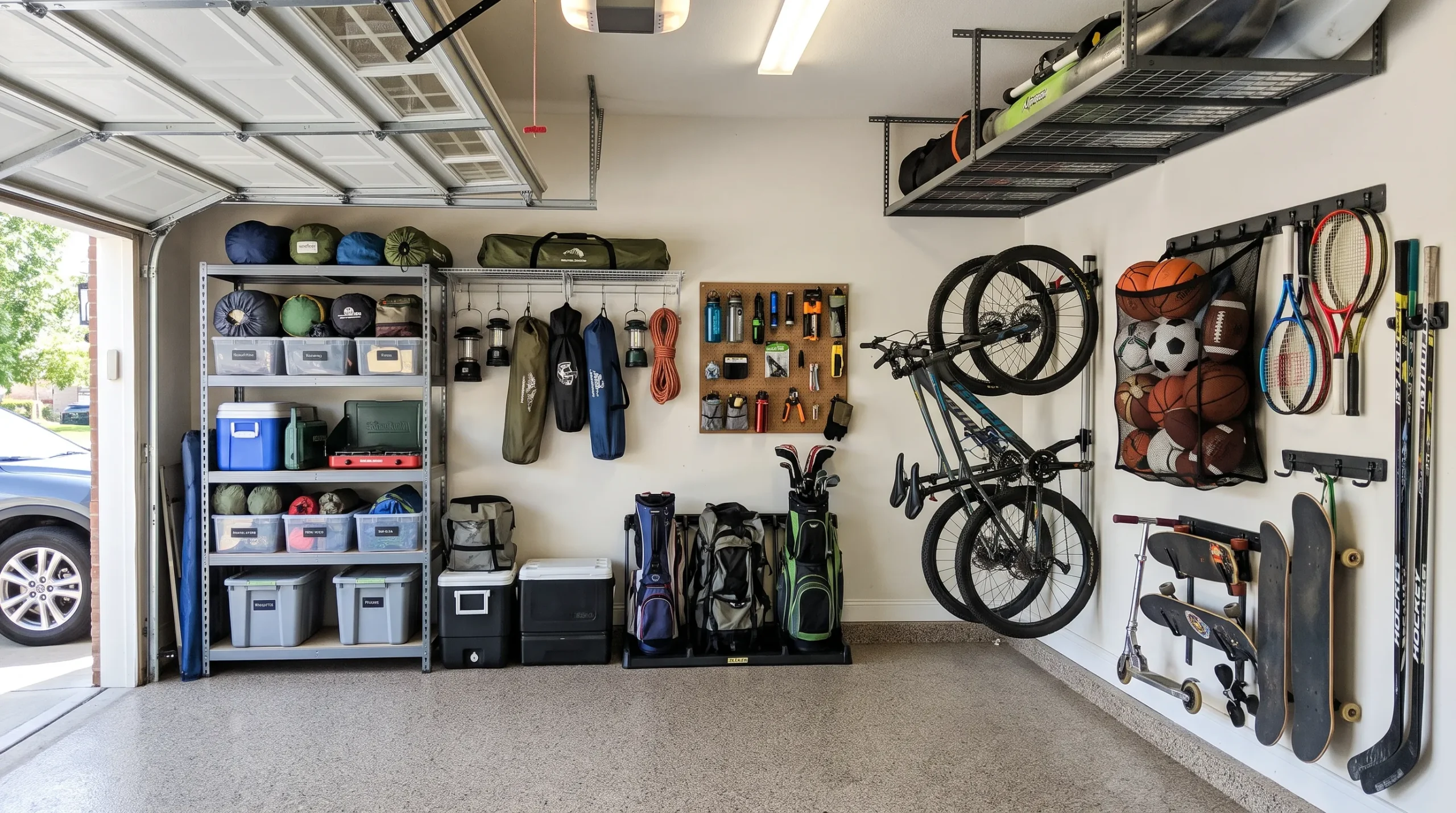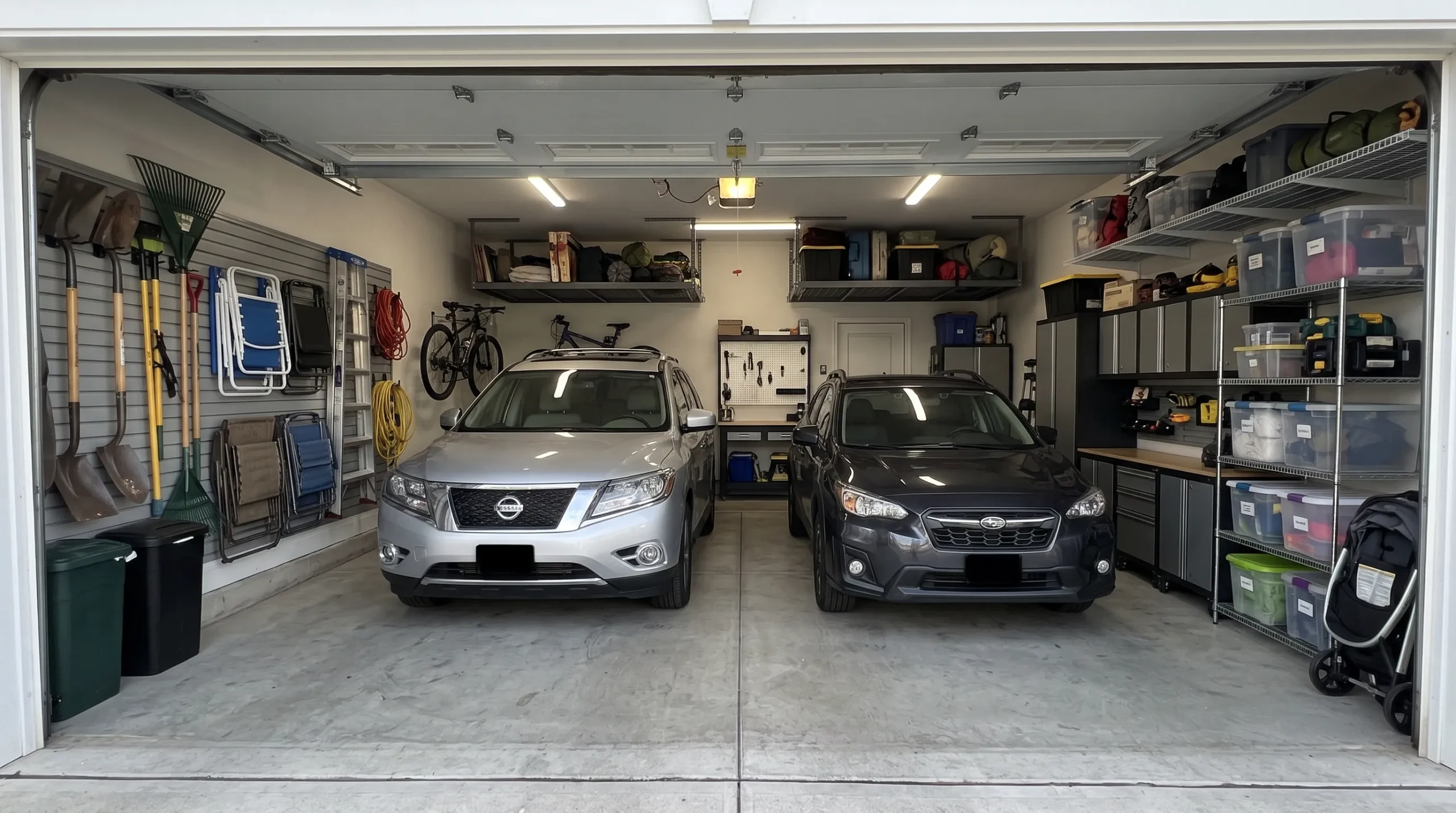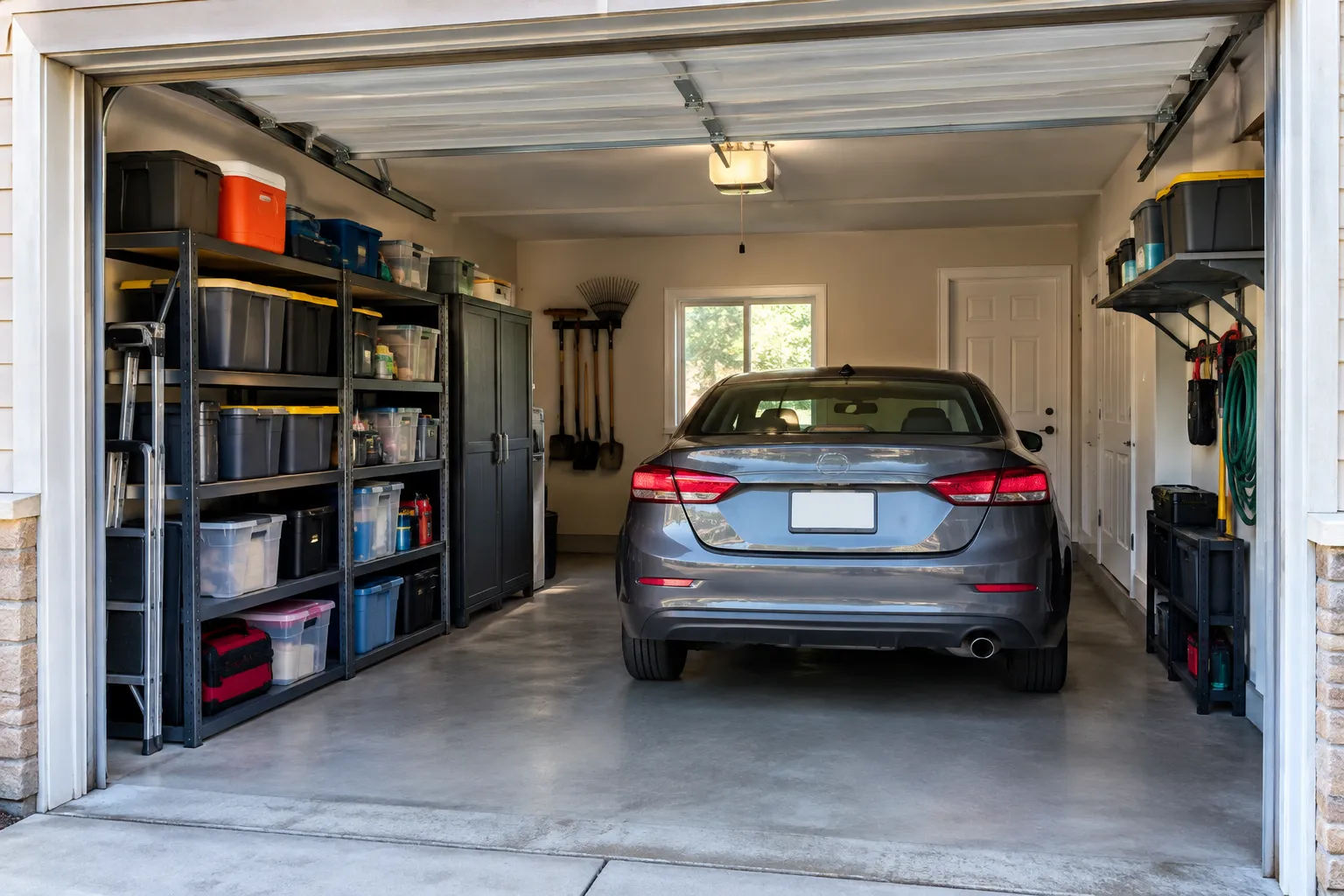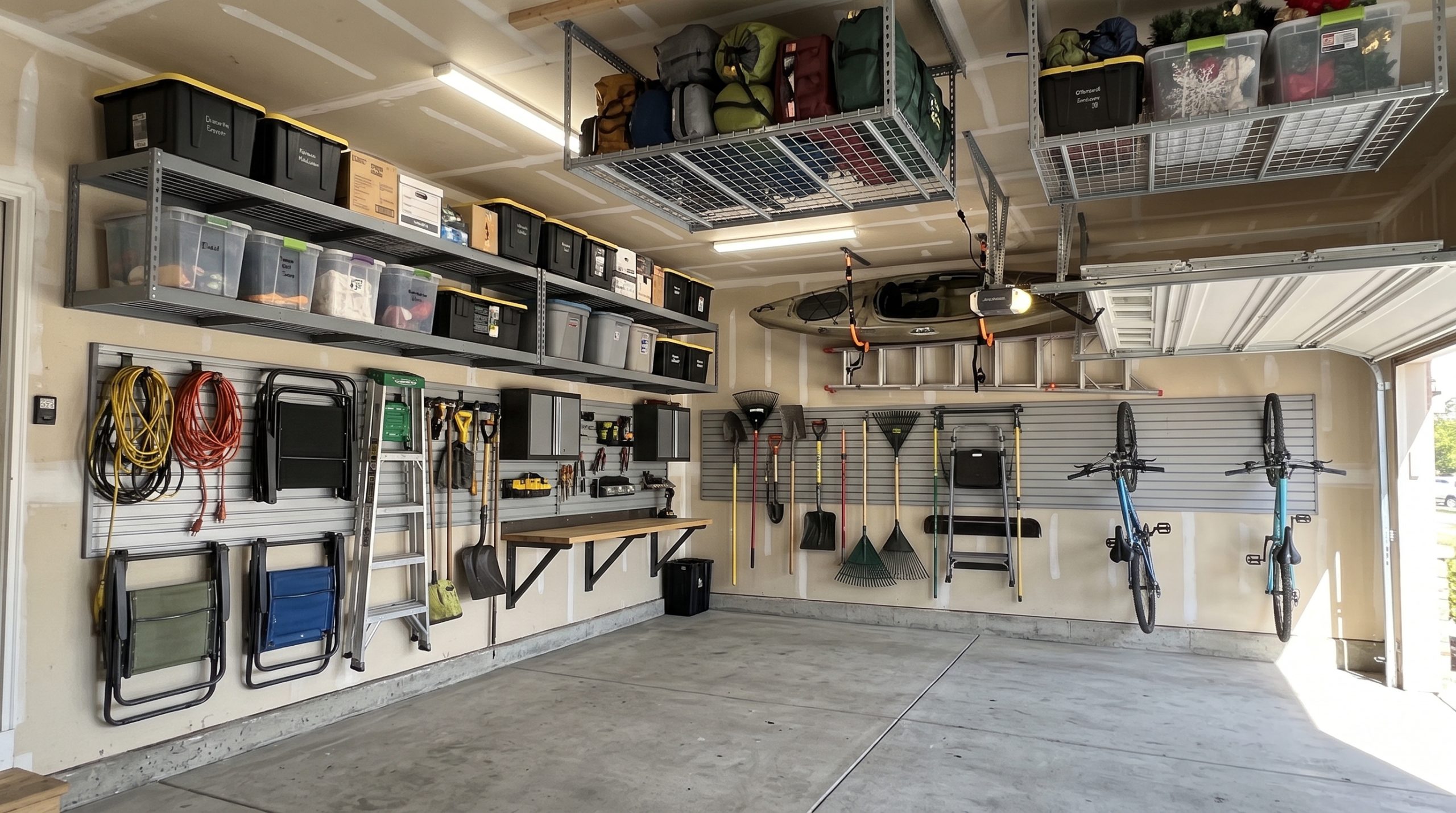




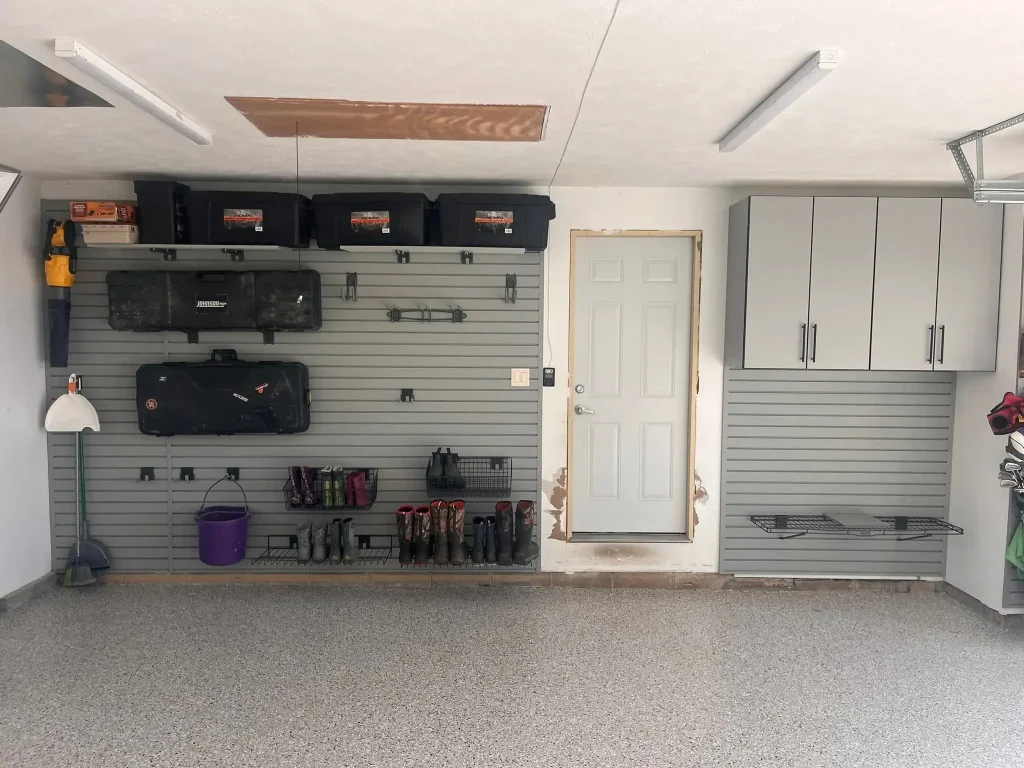
Getting more storage out of garage shelves starts with understanding how space works and how most setups fail to use it well, leaving tools scattered and usable areas completely ignored. A poorly planned garage shelving system leads to clutter, lost tools, and wasted potential in one of the hardest-working spaces in any home.
Maximizing storage space on garage shelves does not require a full renovation or a large budget to make a real difference. The right combination of layout, organization, and a proper shelf setup can completely transform how a garage functions and how easy it is to maintain every single day.
Why Is Maximizing Storage Space on Garage Shelves Important?

A garage with poor shelf organization wastes usable space, makes tools harder to find, and turns a functional area into a place that feels permanently cluttered, regardless of how much gets thrown away.
Reasons maximizing garage shelf space matters include:
- Keeps tools, equipment, and seasonal items in assigned zones for easy access
- Frees up garage floor space for vehicles and work areas
- Prevents vertical wall space from sitting unused above low shelving units
- Reduces time spent searching for misplaced tools and supplies
- Adds long-term value to the garage as storage needs grow and change
To understand how poor planning leads to wasted space and disorganized shelves, read our guide on What Are Common Garage Shelving Mistakes?, which covers the most frequent errors homeowners make before setting up a new shelving system.
Garage Shelving Systems That Help Maximize Storage
Selecting the right garage shelving system determines how much storage space can actually be gained without adding square footage or losing floor space.
|
Shelving System |
Best For |
Key Benefit |
|
Wall-Mounted Garage Shelves |
Power tools, garden tools, small items |
Frees up floor space and anchors into wall studs for a strong hold |
|
Freestanding Garage Storage Shelves |
Heavier items, toolboxes, automotive supplies |
No wall drilling needed and easy to reposition as needs change |
|
Overhead Storage Racks |
Beach chairs, sports equipment, seasonal decorations |
Uses ceiling space that most homeowners never consider |
To explore how each of these systems fits into a complete storage plan, read our guide on How to Choose the Right Garage Shelving, which walks through the key differences among these options and what works best for different garage layouts.
What to Consider Before Setting Up Garage Shelves
A rushed garage shelving setup leads to poor use of space, unstable installations, and storage systems that fail over time.
Key factors to consider before setting up garage shelves include:
- Metal shelves handle heavier items, while plastic shelving works best for lighter loads
- Measure total wall space and ceiling height before buying any system
- Group similar items together to determine the right shelf depth and spacing
- Locate wall studs before installing wall-mounted garage shelves
- Freestanding units need a level floor, while wall-mounted systems require anchoring into studs
A well-thought-out plan before installation saves time, reduces wasted spending, and builds a storage system that holds up through every season.
How to Maximize Storage Space on Garage Shelves

Step 1 — Declutter and Sort Everything First
Clearing out the garage completely before any storage setup reveals exactly what needs to be stored and where.
What to do when decluttering and sorting a garage:
- Pull every item out to start with a blank slate
- Sort everything into four groups: keep, donate or sell, trash, and relocate
- Items unused for over a year are strong candidates for donation or removal
- Broken tools, dried-out supplies, and expired products go straight to the trash
- Only bring back items that belong in the garage and will be used regularly
Starting with a fully cleared space sets the entire garage shelving setup on the right foundation from day one.
Step 2 — Use Vertical Space with the Right Garage Shelving
Floor-to-ceiling garage shelving systems unlock storage potential that short, freestanding units leave untouched along every wall.
Ways to use vertical space effectively:
- Install shelving units that run from floor level up to the ceiling
- Place a high shelf just below the ceiling for seasonal items and holiday bins
- Modular systems allow shelf heights to be adjusted as storage needs change
- Overhead storage racks add an extra storage layer above standard shelf height
- Vertical storage keeps the garage floor open and easy to clean at all times
Going vertical is one of the most effective garage organization ideas for gaining usable space without expanding the garage footprint.
Step 3 — Optimize Shelf Spacing for What You Store
Proper shelf spacing removes wasted vertical gaps and ensures every category of item fits without forcing or stacking outside the shelf boundary.
Shelf spacing guidelines based on item type:
- Heavy items like toolboxes need 12 to 18 inches between shelves
- Paint cans and car supplies need 18 to 24 inches of clearance
- Bulky items and large equipment need 24 to 36 inches between shelf levels
- Leave at least 12 inches between the garage floor and the lowest shelf
- Adjustable shelving systems make spacing changes easy as storage needs shift
To see how shelf spacing fits into a complete garage layout plan, read our guide on What Is the Best Shelving Layout for a Garage?, which breaks down the most effective arrangements for maximizing storage in any garage size.
Step 4 — Use the Right Containers on Garage Storage Shelves
Placing loose items directly on shelves wastes usable space and makes garage storage organization harder to maintain over time.
Container choices that improve garage shelf storage:
- Clear storage containers let contents stay visible without pulling bins down
- Stackable bins allow items to be grouped in columns by category
- Storage totes with lids protect contents from dust and moisture year-round
- Garage cabinets work well for storing hazardous items, sharp tools, and supplies that need to stay enclosed
- Smaller bins inside larger shelf sections keep small items contained and easy to find
Matching the right containers to each shelf zone keeps the entire storage system consistent and easy to maintain.
Step 5 — Prioritize Placement Based on Usage
Item placement on garage shelves should always reflect how often each item gets used, not just what fits where.
Placement guidelines based on frequency of use:
- Daily and weekly items belong at eye level for quick, easy access
- Items used once or twice a month work well on mid-level shelves
- Seasonal decorations, holiday bins, and beach chairs belong on the top shelf or overhead racks
- Heavy items stay on lower shelves to reduce strain when lifting
- Power tools and supplies for latest projects stay at a comfortable working height
Organizing by usage frequency turns garage storage racks into a system that saves time every single day.
Step 6 — Maximize Edge Space on Every Shelf
Every shelving unit has edge and underside space that adds extra storage without adding new shelves.
Ways to maximize edge space on garage shelves:
- Heavy-duty hooks under the lowest shelves hold gloves and small tools
- Magnetic strips along shelf uprights keep small metal tools within reach
- Garage slatwall panels next to shelving units keep hand tools organized
- Side hooks on freestanding units work well for garden tools and cords
- Under-shelf wire baskets catch small items that would otherwise sit loose
Putting edge and underside space to work makes every inch of a garage shelving setup count toward the overall storage goal.
How to Keep Garage Shelves Organized Long Term
Maintaining garage shelves over time requires simple habits and periodic reviews that keep the storage system working as needs change.
Key habits that keep garage shelves organized long term include:
- Schedule a seasonal walkthrough to reassess what is stored and where
- Re-label bins whenever contents change to avoid confusion
- Return items to their designated shelf zone after every use
- Inspect shelf brackets and wall anchors every few months for loosening
- Remove items that no longer belong in the garage during every seasonal review
Consistent maintenance habits protect the storage system and keep every shelf zone functional through every season in Omaha, NE.
Maximize Storage Space on Garage Shelves With Expert Help

A well-planned garage shelving setup saves time, protects tools and equipment, and turns an underused space into one of the most functional areas in a home. Every step covered in this article builds toward a garage storage system that works harder and stays organized through every season.
Platinum Garage Solutions brings hands-on experience with garage shelving installation, custom storage layouts, and solutions built for real garages in Omaha, NE. Contact us or give us a call today, and let our team build a storage system that fits the way the space is actually used every day.