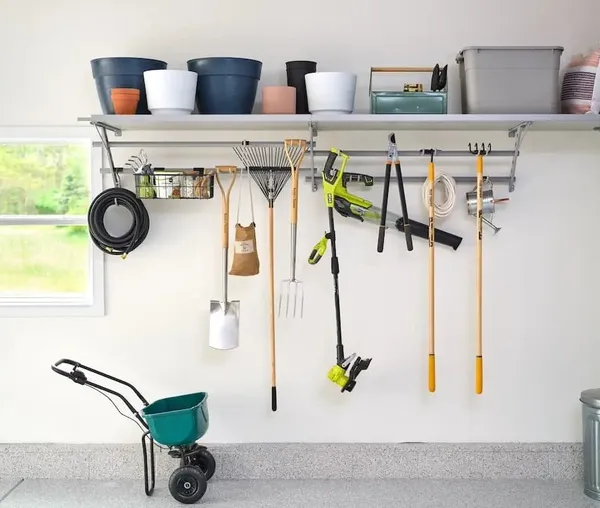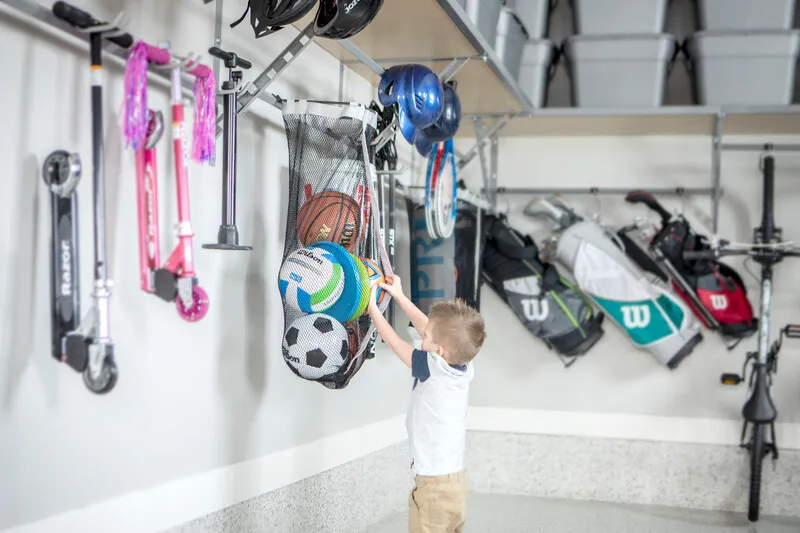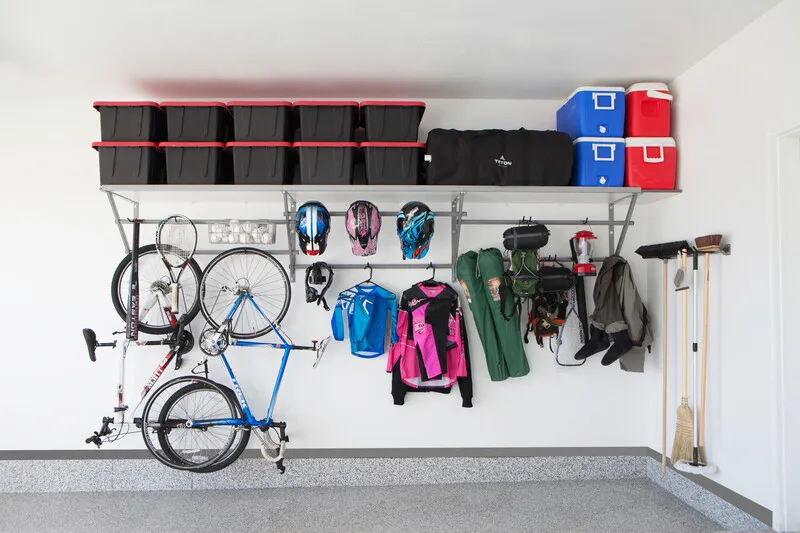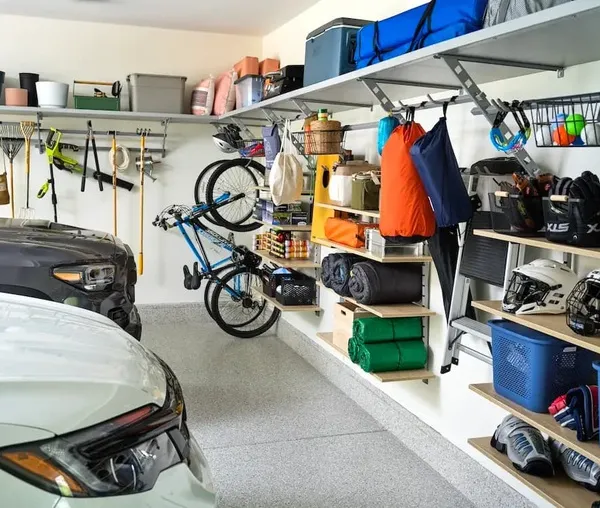




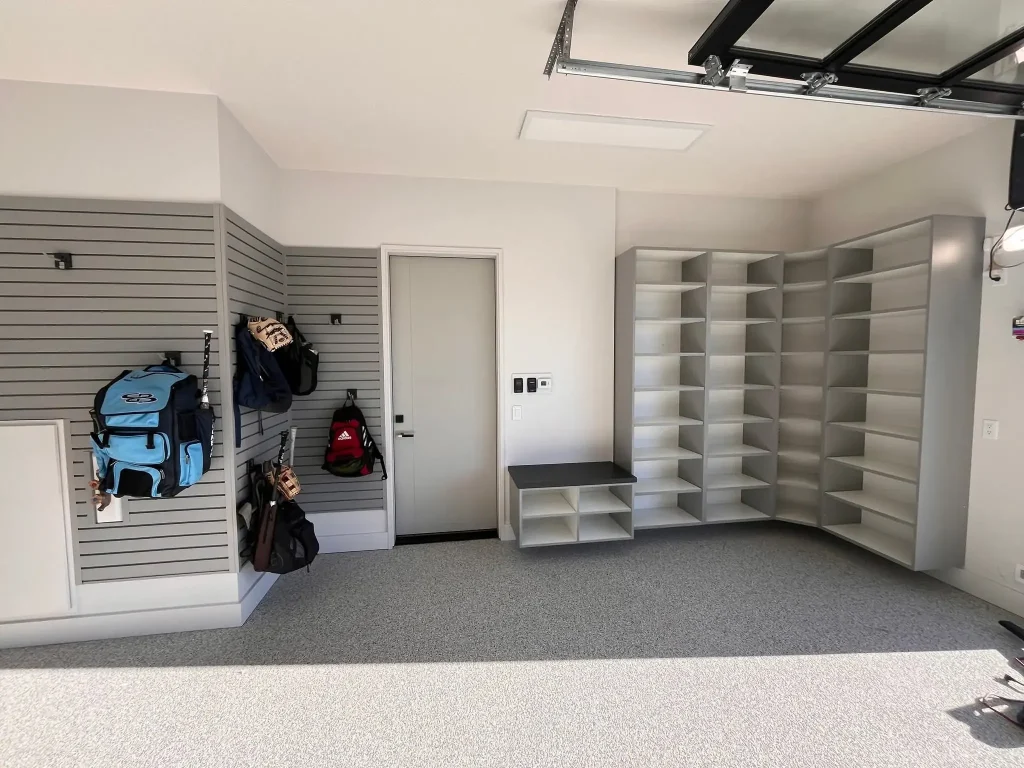
A cluttered, disorganized garage often results from shelving decisions made without a clear plan. Garage shelving that is poorly installed, overloaded, or laid out without a working system creates problems that compound over time and become increasingly difficult and costly to fix.
Understanding what goes wrong from the start is the most practical way to build a storage setup that holds up through daily use and seasonal changes. The mistakes covered in this guide are the ones that most often show up in residential garages and end up costing homeowners the most time, money, and usable space.
What Is Garage Shelving and Why Does It Matter?

Garage shelving is any fixed or freestanding storage system mounted to the walls or ceiling of a garage to keep items organized, protected, and off the floor where they create hazards and take up valuable working space.
Reasons garage shelving matters for every home include:
- Keeps tools, equipment, and seasonal items in one accessible place
- Protects belongings from moisture, pests, and garage floor damage
- Frees up floor space for vehicles and workspace
- Reduces clutter and makes the garage faster to use
- In Omaha, shifting seasons make year-round shelving essential
To avoid setup mistakes that lead to early failure, read our guide on How to Choose the Right Garage Shelving, which walks through material types, weight ratings, and what to look for before buying.
Common Garage Shelving Mistakes Homeowners Make
Choosing the Wrong Garage Shelving Material
Picking the wrong material undermines the entire garage storage setup before a single item gets placed on the shelf.
Wrong material choices include:
- Plastic shelving warps in heat and becomes brittle in freezing temperatures
- Cheap wood absorbs moisture and rots in unventilated garages
- Wire shelving lacks surface support for bulky or heavy items
- Low-grade materials degrade faster in high-humidity environments
- Untreated wood and plastic both perform poorly through Omaha’s seasonal shifts
Galvanized steel and epoxy-coated metal consistently outperform other options in garages exposed to moisture and temperature changes.
Ignoring Weight Limits and Overloading Shelves
Every shelving unit carries a weight capacity rating, and loading beyond that limit puts the entire storage system at risk.
Weight management mistakes include:
- Stacking power tools and automotive equipment on light-duty shelves
- Placing heavier items on the top shelf instead of keeping them low
- Mixing heavy and small items without considering balance
- Skipping manufacturer specs and estimating load limits instead
- Concentrating weight on one section while leaving the rest empty
Checking weight capacity before loading any shelf prevents structural stress that builds gradually and causes sudden failure.
Poor Garage Shelving Installation and Lack of Anchoring
Even the strongest shelving system pulls away from the wall when installation skips the steps that matter most.
Installation errors that create unstable shelving include:
- Drilling without locating wall studs first causes anchors to pull free
- Short screws fail to reach deep enough into the stud for a hold
- Skipping wall anchoring leaves freestanding units vulnerable to tipping
- Unleveled shelves during garage shelving installation cause items to slide
- Ignoring wall type differences between drywall, concrete, and brick leads to anchor failure
Proper anchoring to wall studs matters even more when the garage flooring is uneven and freestanding units need a stable base.
Underutilizing Vertical Space in the Garage
Focusing only on floor-level storage while leaving upper walls and ceiling empty wastes the most underused real estate in any garage.
Vertical space mistakes that limit storage capacity include:
- Installing shelves only at waist height and ignoring everything above
- Skipping overhead storage racks for seasonal items and beach chairs
- Not stacking shelving units tall enough to use the full wall height
- Overlooking the space above the garage door for extra storage
- Avoiding slatwall systems that allow flexible shelf placement at multiple heights
Going vertical multiplies available storage without touching the garage floor, and overhead storage makes the ceiling just as functional as the walls.
Improper Placement and Garage Storage Organization
Poor placement turns a stocked garage into one where finding anything requires moving everything else first.
Placement habits that break down garage storage organization include:
- Storing garden tools and small tools behind rarely accessed items
- Placing sports balls and sports equipment on high shelves out of reach
- Grouping items randomly instead of organizing by category or frequency
- Blocking the garage door path or workspace with misplaced shelving
- Mixing similar items across multiple shelves with no consistent system
Organizing by weight and frequency creates a functional space where garage cabinets give every bulky item a dedicated and fully enclosed spot.
How These Mistakes Affect Garage Storage Safety and Space
Getting garage shelving wrong creates consequences that affect both the safety and function of the entire space.
Common effects of poor garage shelving decisions include:
- Clutter builds up fast when items have no designated spot
- Unstable shelving creates injury risks when units are overloaded or unanchored
- Wasted wall and ceiling space pushes more items onto the garage floor
- Storage totes and bulky items pile up with no system to contain them
- A disorganized garage becomes harder to navigate and less useful over time
Addressing these issues starts with understanding where the setup went wrong and making corrections before the problems compound further.
What to Check Before Setting Up Garage Storage Shelves

A thorough assessment of the garage space before purchasing or installing anything prevents the most common and avoidable setup mistakes.
Key things to check before setting up garage storage shelves include:
- Identify the wall type to determine the correct anchors and hardware needed
- Locate wall studs before committing to any shelf placement
- Measure wall width, height, and depth to match the shelf size to the available space
- Account for garage door swing, vehicle clearance, and workbench areas
- Plan for seasonal items that need overhead or out-of-the-way placement
Taking time to assess the space upfront lays the foundation for a shelving system that works in the long term.
Common Garage Shelving Layouts and Which Ones Work
Choosing the right layout is one of the most impactful decisions in garage shelving design, determining how well the space functions every day.
Popular garage shelving layouts that work for most homes include:
- Wall-mounted shelves along the perimeter keep the floor open for vehicles and workspace
- Freestanding units offer flexible storage without permanent wall installation
- Overhead storage racks turn ceiling space into a zone for seasonal items
- Slatwall systems allow shelf height and placement to adjust as needs change
- Corner shelving maximizes unused wall angles that standard layouts typically ignore
To explore which layout works best for different garage sizes and storage needs, read our guide on What Is the Best Shelving Layout for a Garage?, which breaks down the most effective arrangements and what each is built to handle.
Tips to Avoid Common Garage Shelving Mistakes
Avoiding the most damaging garage shelving mistakes comes down to a few deliberate decisions made before and during setup.
Practical tips to avoid common garage shelving mistakes include:
- Match shelf load ratings to the actual weight of stored items
- Anchor into wall studs using long wood screws from the start
- Choose materials like galvanized steel or epoxy-coated metal for garage environments
- Assign every item a permanent location based on weight and frequency of use
- Call a professional when the walls are concrete or the system is complex
To learn how to get more out of an existing setup, read our guide on How to Maximize Storage Space on Garage Shelves, which walks through the most effective strategies for improving capacity and organization in any garage.
Avoid Garage Shelving Mistakes With a System Built to Last

Garage shelving that is planned, installed, and loaded correctly makes the entire garage more functional, safer, and easier to maintain over the long term. Knowing the most common mistakes and how to avoid them puts homeowners in a much stronger position before the very first shelf goes up.
Platinum Garage Solutions specializes in professional garage shelving installation, custom garage shelving design, and complete garage storage solutions in Omaha, NE. Contact us or give us a call today, and let our team assess your garage and recommend the right shelving solution for your home.