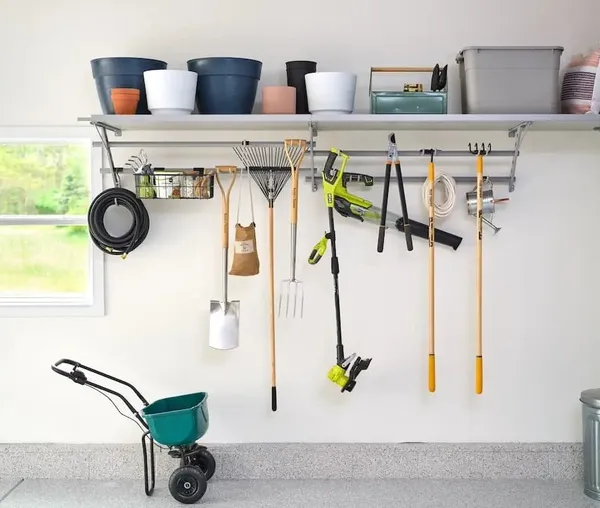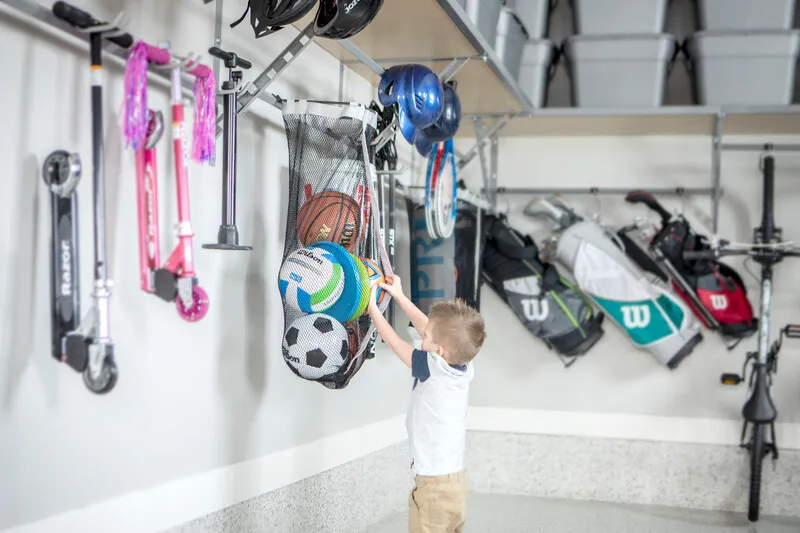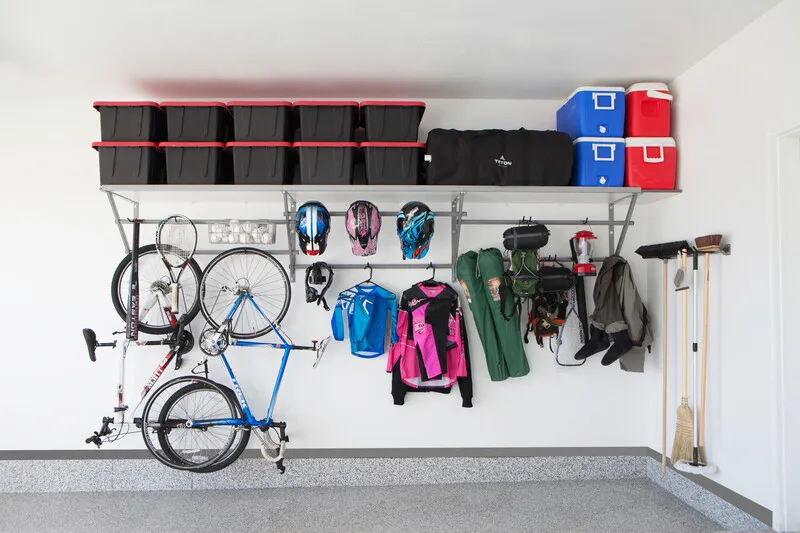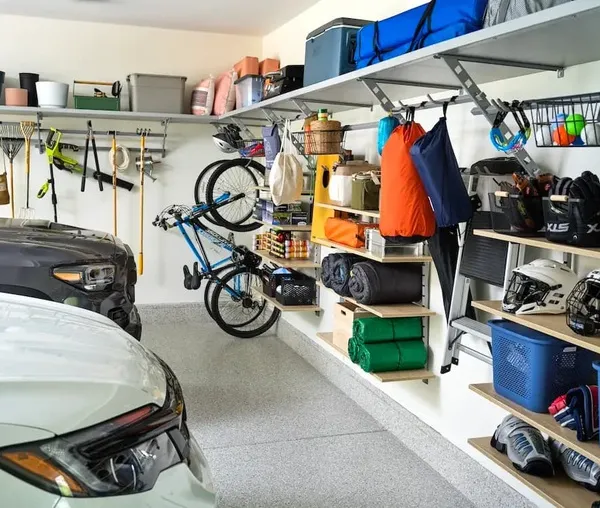




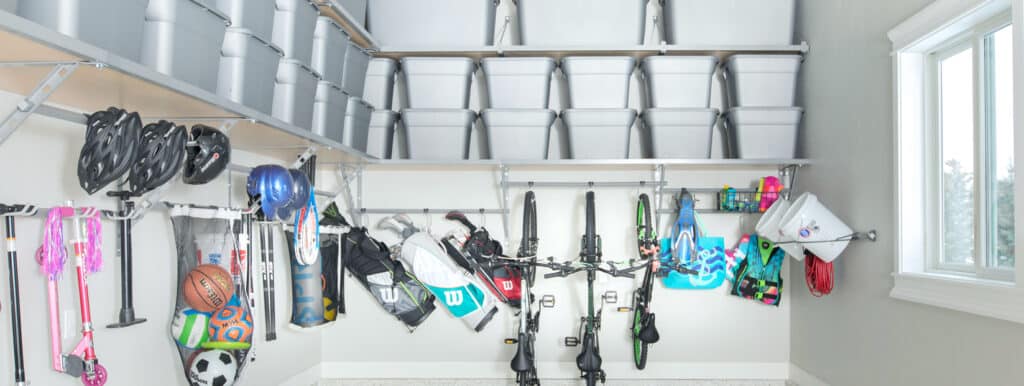
A garage that lacks the right shelving system quickly becomes a space where clutter takes over, tools are hard to find, and stored items never have a proper place. Choosing the right garage shelving means looking beyond size and price to find a system that actually fits the space, handles the load, and keeps everything accessible.
The type of shelving material, the structural condition of the garage walls, and the weight of stored items all determine whether a system holds up or fails under everyday use. Getting these factors right from the beginning leads to a garage that stays organized, supports daily workflow, and delivers long-term value.
Why Does Choosing the Right Garage Shelving Matter?

A shelving system that does not match the space, the load, or the storage needs of a household creates problems that compound over time and become far more expensive to fix than to prevent from the start.
Key reasons choosing the right garage shelving system matters:
- Wrong weight capacity leads to shelves that sag, bend, or collapse
- Poor material choices result in rust, warping, and early structural breakdown
- A mismatched system pushes items onto the garage floor and creates permanent clutter
- Ignoring the wall condition causes mounted shelves to pull away from the surface
- Overloaded or improperly installed shelving creates garage storage safety risks for everyone
To understand what happens when the wrong system is chosen from the start, read our guide on What Are Common Garage Shelving Mistakes?, which covers the most frequent errors homeowners make before setting up a new shelving system.
What to Assess in a Garage Before Choosing a Shelving System
Assessing the garage before buying anything prevents costly mismatches and keeps the entire setup from falling short.
Key things to assess in a garage before choosing a shelving system:
- Measure floor space and ceiling height to confirm what fits
- Check the wall condition and locate the wall studs before mounting anything
- Identify storage zones for tools, equipment, and seasonal items
- Note moisture damage, uneven surfaces, or obstacles affecting placement
- Factor in how much space must stay open for vehicles and work areas
Completing this assessment before buying ensures the shelving system works with the garage rather than against it.
What Types of Garage Shelving Are Worth Knowing Before Choosing?
Knowing the available types of garage shelving before making a purchase helps narrow down the options that actually fit the space and storage needs.
|
Shelving Type |
Best For |
Key Benefit |
|
Wall-Mounted Garage Shelves |
Garages with solid walls and visible wall studs |
Keeps floor space completely open |
|
Freestanding Garage Shelving Systems |
Renters or homeowners who need flexibility |
Easy assembly with no permanent mounting |
|
Overhead Storage Racks |
Bulky and infrequently used items |
Uses ceiling height for extra storage |
|
Corner Shelving Units |
Unused corner spaces along garage walls |
Maximizes space without taking prime wall areas |
|
Garage Slatwall Systems |
Garages needing a modular and versatile setup |
Combines shelves, hooks, and bins in one system |
To explore how each of these types fits into a functional layout, read our guide on What Is the Best Shelving Layout for a Garage?, which breaks down how placement and spacing affect the overall performance of any garage storage system.
What Factors Matter Most When Choosing Garage Shelving?
Weight Capacity and Load Rating
Matching weight capacity to the actual load being stored is one of the most critical decisions in the entire selection process.
- Light-duty shelving suits seasonal decorations, sports equipment, and similar items
- Heavy-duty steel systems handle power tools, auto parts, and heavier items
- Evenly distributing weight across each shelf prevents stress on shelf supports
- Heavy items on lower shelves keep the center of gravity low
- Always verify the weight capacity label before loading any unit
Choosing the wrong weight rating is one of the most common reasons garage shelves fail before their expected lifespan.
Shelf Material: Metal, Wood, Wire, or Plastic
Selecting the right shelf material directly affects how well the system handles weight, moisture, and temperature inside a garage.
|
Material |
Best For |
Watch Out For |
|
Steel/Metal |
Heavy loads and demanding garage environments |
Rust without a powder-coat finish |
|
Wire |
Damp garages need airflow |
Small items falling through gaps |
|
Wood/Plywood |
Flat solid surface for varied storage |
Warping and sagging under moisture |
|
Plastic/Resin |
Easy assembly and rust-proof storage |
Weakening under heavy loads and heat |
|
Powder-Coated Steel |
Omaha, NE, temperature swings year-round |
Higher upfront investment |
Material durability determines how well garage storage shelves withstand the space’s specific conditions over time.
Garage Shelving Design and Adjustability
Prioritizing adjustability in a garage shelving design gives the system long-term flexibility as storage needs change.
- Adjustable shelf heights accommodate storage totes, bulky items, and small tools
- Modular systems support add-ons like hooks, bins, and slatwall panels over time
- Fixed shelves offer rigidity but limit reconfiguration when storage needs shift
- Wide x deep dimensions provide more room for larger items and bulky storage totes
- Open-back designs allow better airflow and visibility of stored items
Garage shelving design and adjustability determine how well the system adapts as the garage space evolves.
Garage Shelving Installation Requirements
Understanding installation requirements before purchasing prevents surprises that compromise the stability of the finished system.
- Wall-mounted systems require wall studs, correct anchors, and long wood screws
- Freestanding units offer easy assembly, where wall mounting is not practical
- Overhead storage racks need a ceiling structural assessment beforehand
- Concrete and brick walls need masonry anchors, not standard drywall hardware
- Skipping manufacturer instructions during installation leads to instability
Getting installation right from the start determines how well the entire garage shelving system performs under daily use.
Common Mistakes Homeowners Make When Choosing Garage Shelving
Knowing common selection mistakes before purchasing prevents homeowners from ending up with a system that underperforms from day one.
Common mistakes homeowners make when choosing garage shelving:
- Prioritizing price over weight capacity leads to shelves that fail under load
- Ignoring the wall condition results in mounted shelves that pull away from the surface
- Choosing a style that does not match the space eliminates usable floor space
- Skipping measurements leads to units that block doorways, tracks, and work areas
- Selecting a fixed system without considering future needs limits long-term functionality
To get more out of every inch of available shelf space, read our guide on How to Maximize Storage Space on Garage Shelves, which covers practical approaches homeowners use to improve garage storage organization.
Signs of the Wrong Garage Shelving Choice for the Space

Recognizing the warning signs of a mismatched shelving system early helps homeowners address the problem before it affects the entire garage storage setup.
Signs of the wrong garage shelving choice for the space:
- Shelves are visibly bowing or sagging under the current load
- Stored items consistently end up on the garage floor instead of on shelves
- The layout blocks vehicle access or creates narrow walkways
- Storage needs have outgrown the current system, with no room to expand
- Garage cabinets and shelving units show rust, loose hardware, or structural instability
Addressing these signs early keeps the garage space functional and prevents the storage setup from working against daily use.
Choose the Right Garage Shelving and Transform the Way the Space Works

Knowing the right types, factors, and mistakes to avoid gives homeowners a clear path toward a garage shelving system that stays organized and holds up under daily demands. Matching the system to the actual space and storage needs is what separates a setup that works from one that falls short.
Platinum Garage Solutions serves homeowners throughout Omaha, NE, with expert garage shelving selection and installation that fit the space, meet real storage needs, and hold up under daily use. Contact us or give us a call today, and let our team build a garage storage solution that works as hard as you do.