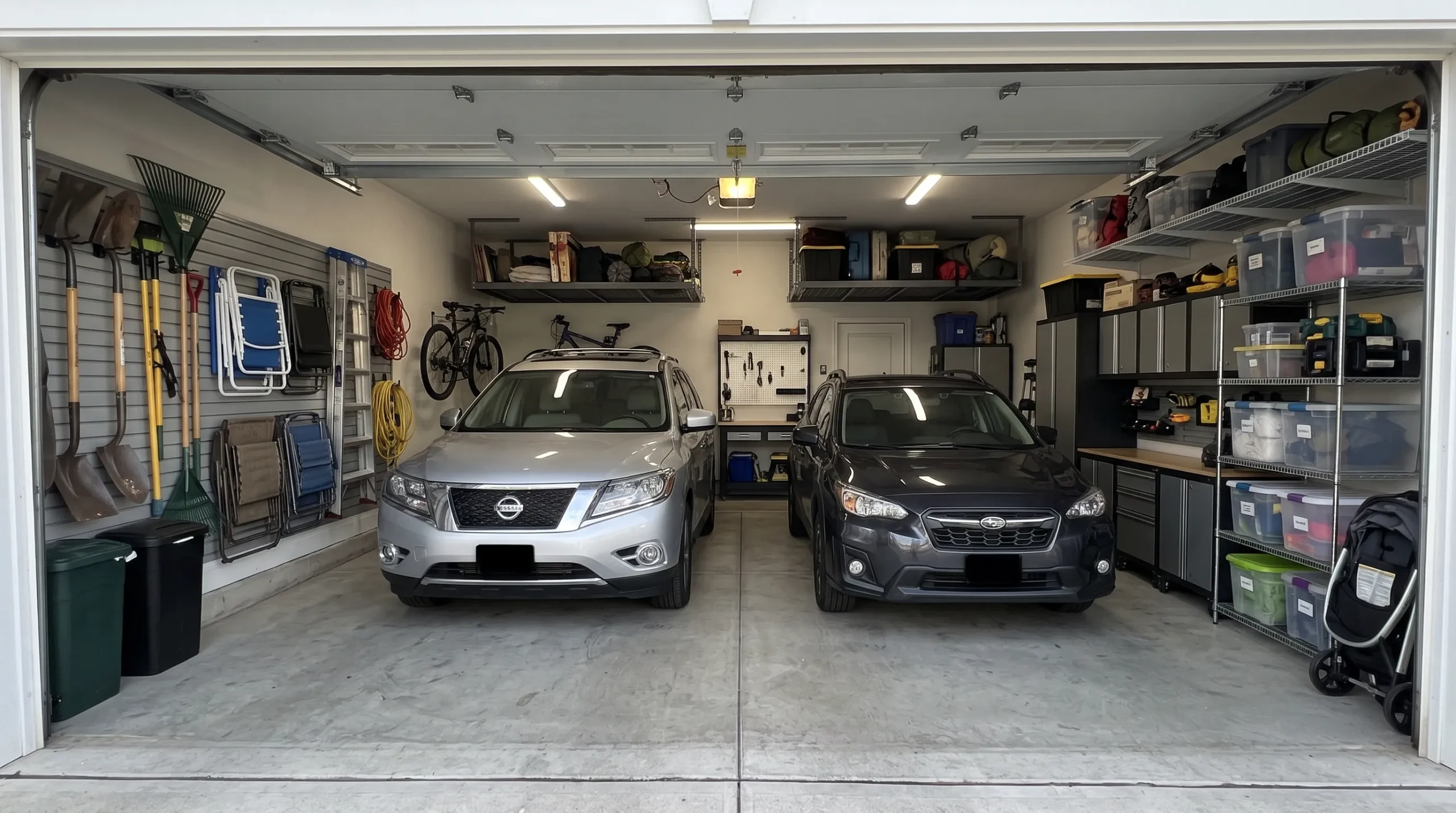




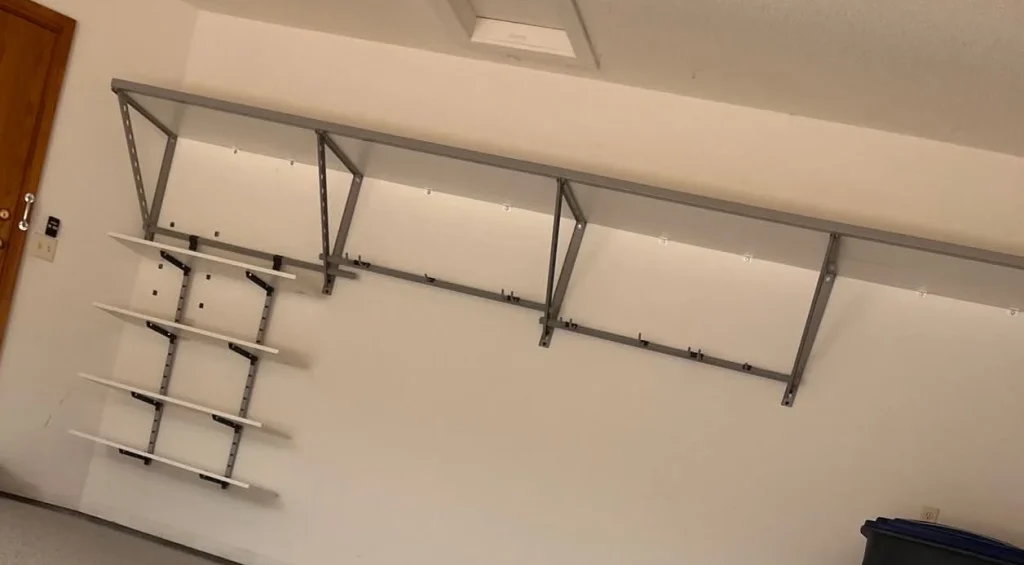
A garage without a proper shelving layout becomes a storage problem that gets worse every time something new needs to be put away. The layout determines how much weight the shelves can hold, how easily items can be found, and how well the entire garage space functions on a daily basis.
Choosing the best garage shelving layout is not just about picking a shelf and placing it against a wall. The arrangement, spacing, and zone planning all work together to create a well-built storage system that holds more, stays organized, and makes sense for how the garage is used.
Why Does a Garage Shelving Layout Matter?

A garage layout determines how much storage space is actually usable, how safely items are stored, and how well the entire space holds up over time as storage needs grow and change with every season.
Reasons a planned garage shelving layout matters for every home include:
- Keeps tools and seasonal items in assigned zones that are easy to access
- Prevents wasted vertical space along walls, overhead areas, and corners
- Distributes weight evenly across shelf supports and garage walls
- Keeps the garage floor open for vehicles and work areas
- Helps Omaha homeowners plan for seasonal storage rotations without disrupting the entire setup
To understand how layout mistakes lead to wasted space and damaged shelving, read our guide on What Are Common Garage Shelving Mistakes?, which covers the most frequent planning errors homeowners make before setting up a new shelving system.
What Are the Best Garage Shelving Layouts?
Wall-to-Wall Floor Units
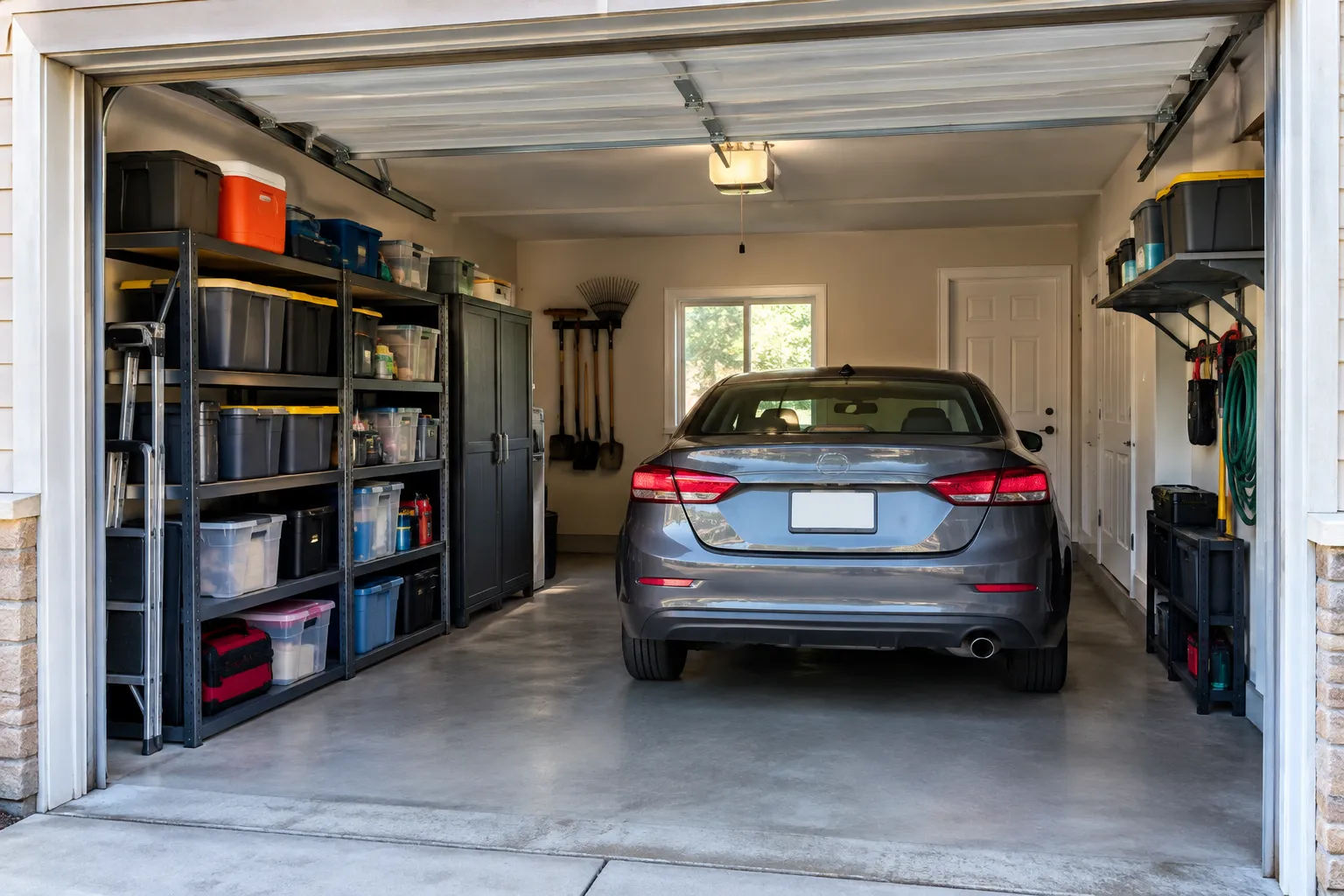
Heavy-duty or modular shelving installed against the primary wall provides the garage with its strongest storage foundation.
What makes wall-to-wall floor units effective:
- Lower shelves at 24 inches deep handle large storage totes and heavy items
- Upper shelves at 12 to 16 inches keep small tools within easy access
- Modular units reconfigure as storage needs shift over time
- Anchoring into wall studs keeps the shelving stable under heavy loads
- Positioning along the longest wall maximizes storage without reducing floor space
Wall-to-wall garage shelving is the most practical starting point and the anchor structure that keeps garage flooring clear and functional.
Above-the-Door Overhead Racks
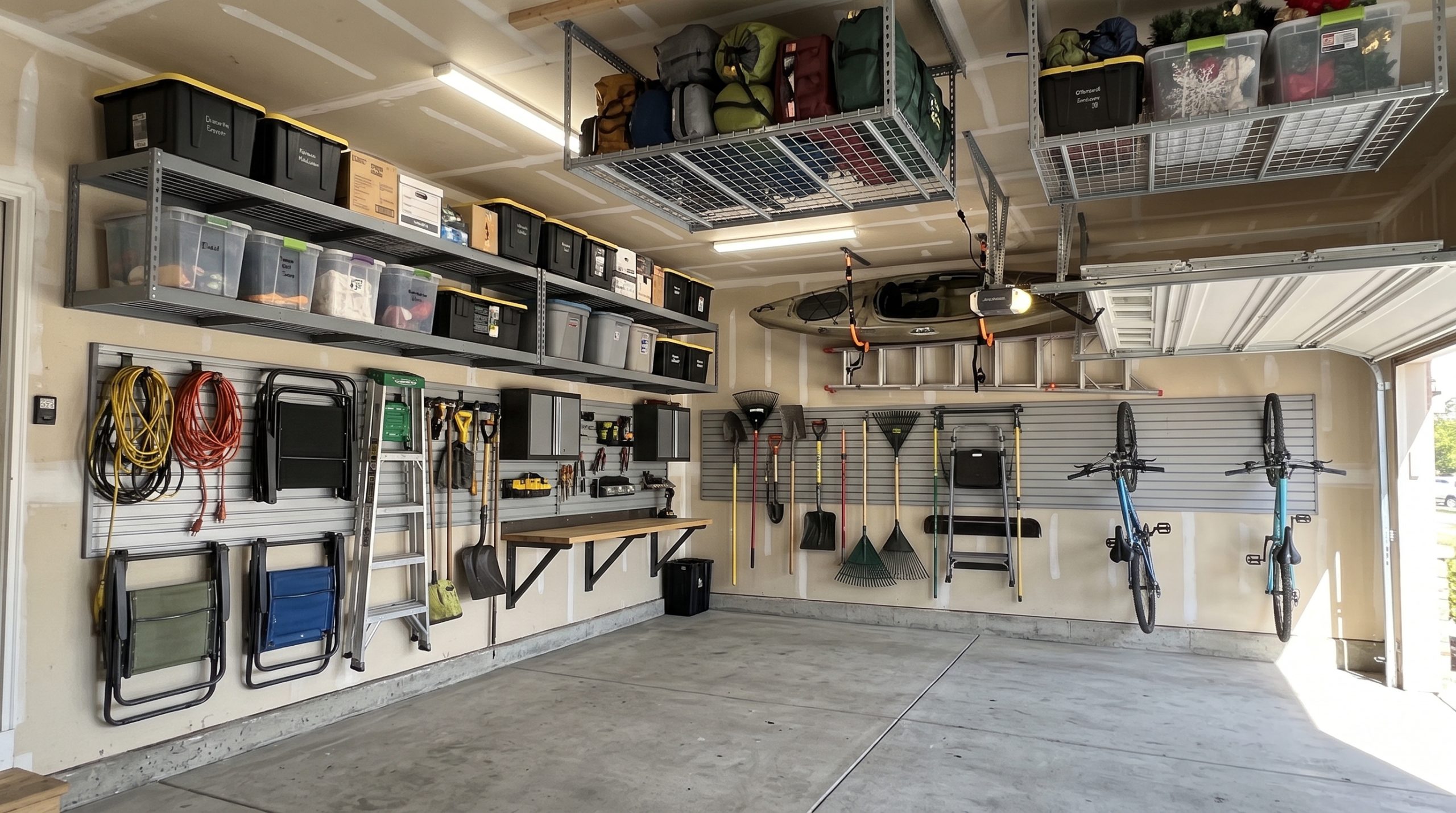
Overhead storage racks above the garage door recover storage space that most garages leave completely unused.
Overhead rack placement details worth knowing:
- Ceiling-mounted racks work best for lightweight seasonal items and holiday bins
- Beach chairs, seasonal decorations, and bulky items store well in labeled overhead bins
- Racks must be rated for the combined weight of all stored items
- Confirm clearance between the rack and the garage door’s highest travel point
- Keep heavy items off overhead racks to reduce strain on ceiling brackets
Overhead storage is especially valuable in Omaha garages, where seasonal items need a dedicated zone to keep the main shelving area functional.
Corner and Wall-Track Systems
Corners and side walls hold more storage potential than most homeowners use, and the right system turns that dead space into a productive zone.
Corner and wall-track details that improve garage storage organization:
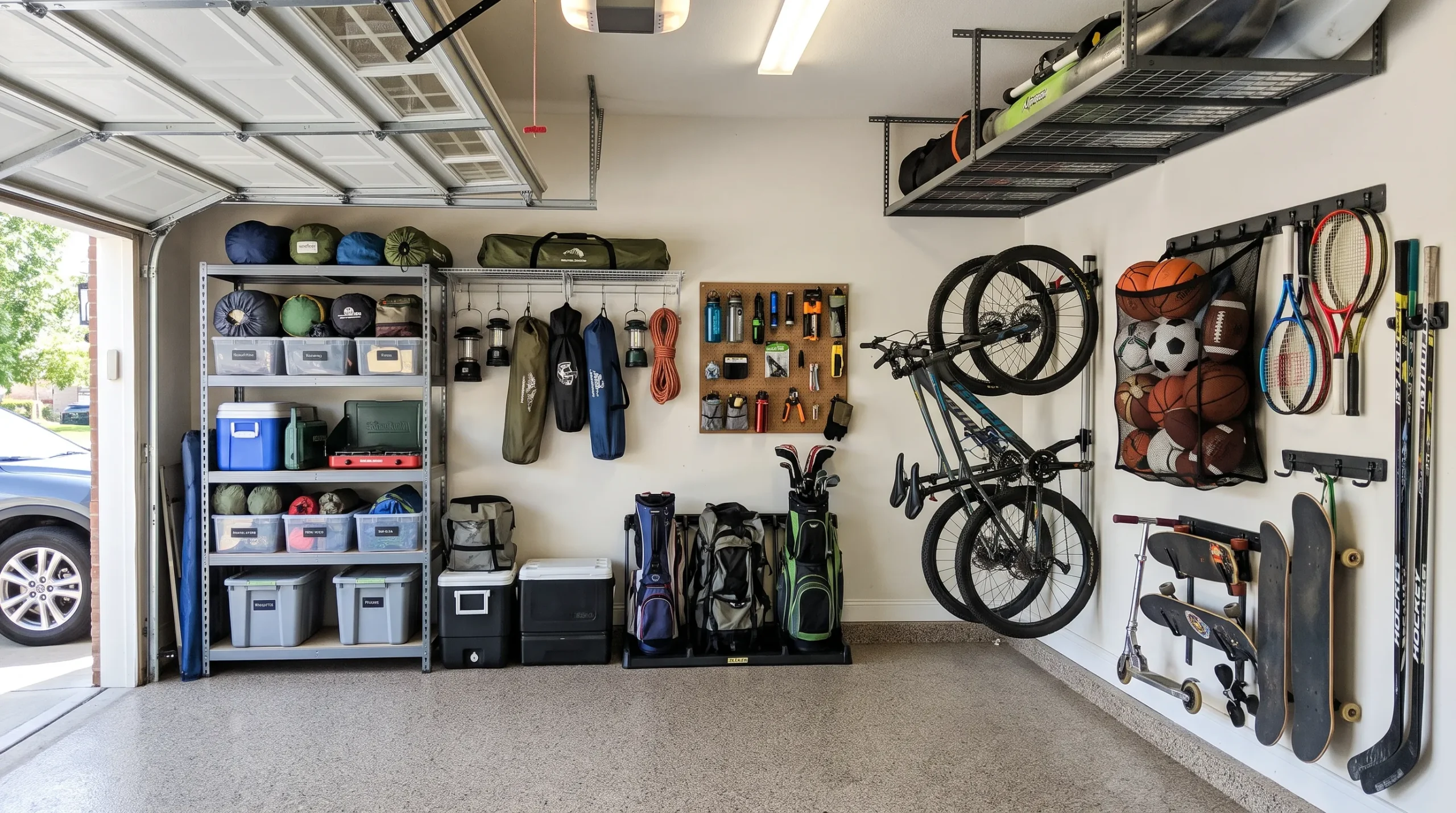
- Slatwall panels and pegboards accept hooks and bins for flexible storage
- Garden tools, sports balls, and similar items hang vertically to free up floor space
- Adjustable rails allow reconfiguration without removing the entire wall panel
- Corner shelving units fill dead space that standard shelving cannot reach
- Combining wall-track systems with wall-mounted garage shelves creates an expandable storage wall
Garage slatwall and wall-track systems deliver the storage flexibility that fixed shelving cannot match when combined with the other two layouts.
Strategic Storage Zones and Spacing Guidelines for Garage Shelving
A functional garage shelving design follows specific zone placement and spacing rules that make every inch of available storage space work harder.
Storage Zones:
|
Zone |
Best For |
|
Back Wall |
Heavy equipment, tires, and large storage totes |
|
Side Walls |
Shallow wall-mounted shelves for everyday gear and tools |
|
Corners |
Purpose-built corner shelving to eliminate dead space |
|
Overhead |
Seasonal items and bulky items are accessed a few times per year |
Spacing Guidelines:
|
Dimension |
Recommendation |
|
Shelf Depth |
18 to 24 inches for standard bins, paint cans, and tool cases |
|
Bottom Shelf Height |
12 to 18 inches off the garage floor |
|
Lower Shelf Spacing |
16 to 18 inches apart for heavy items |
|
Upper Shelf Spacing |
12 to 14 inches apart for smaller bins and everyday gear |
Following these zone and spacing guidelines creates a garage storage organization system that is easy to navigate and built to stay organized long term.
How to Choose the Right Shelving for a Garage Layout

Choosing the right type of shelving directly affects how well the layout performs and how long the entire setup holds up.
Shelving selection factors every garage owner should know:
- Check weight capacity ratings before purchasing any shelving unit
- Use metal or steel shelving in areas exposed to moisture or temperature extremes
- Anchor wall-mounted shelves into wall studs, and not just drywall
- Choose modular or adjustable systems that reconfigure as storage needs change
- Match shelving depth to stored items, with 18 to 24 inches working best for most garages
To explore every shelving type, material rating, and selection factor in detail, read our guide on How to Choose the Right Garage Shelving, which covers everything you need to make a confident shelving decision before installation.
How the Right Layout Maximizes Garage Storage Space
A well-planned garage layout actively creates more usable storage by putting every available wall, corner, and overhead surface to work.
Ways a strong layout maximizes garage storage space:
- Store frequently used items at eye level for easy access
- Move seasonal items and rarely used equipment to overhead storage racks
- Use wall-mounted systems in tight areas to recover floor space
- Group similar items so tools, sports equipment, and storage totes each have a dedicated zone
- Keep pathways at a minimum of 36 inches clear between shelving and any parked vehicle
To get the most out of every shelf and storage zone, read our full guide on How to Maximize Storage Space on Garage Shelves, which walks through proven strategies for squeezing more storage from any garage layout.
Common Garage Shelving Layout Mistakes to Avoid
Poor layout decisions create storage problems that get harder to fix the longer they go unaddressed.
Common mistakes that compromise a garage shelving layout:
- Ignoring wall stud locations before mounting wall-mounted garage shelves
- Placing shelving too close to the garage door track or swing path
- Storing similar items randomly instead of following a zone plan
- Overloading upper shelves with heavy items that belong on lower shelves
- Failing to account for Omaha’s seasonal storage demands in the layout plan
Avoiding these mistakes from the start keeps the garage organized, functional, and built to handle storage demands throughout every season.
Find the Best Garage Shelving Layout for Your Garage With Expert Help

A planned garage shelving layout is the difference between a garage that stays organized and one that gets harder to use with every season. Understanding the best layouts, spacing guidelines, and zone planning gives every homeowner the foundation needed to build a storage system that actually works.
Platinum Garage Solutions helps homeowners in Omaha, NE, design and install garage shelving systems through honest assessments, smart storage planning, and professional installation. Contact us or give us a call today to schedule a consultation, and let our team design a shelving layout that fits how you use your garage.