




Garage layout planning often seems like a simple weekend project. Many homeowners expect that moving a few boxes, adding shelves and sweeping the floor will be enough to create an organized space. In reality, the process is much more complex.
A garage serves multiple purposes. It protects vehicles, stores tools, holds seasonal items and sometimes even functions as a workspace. Without a clear structure, these roles begin to compete with each other. The result is a space that feels cramped, inefficient and difficult to manage. This is where a garage coordinated design becomes important, as it ensures that storage systems, layout flow and garage door components all work together in a cohesive and functional way.
In Omaha, these challenges are even more noticeable. Changing seasons bring different storage demands throughout the year. Snow shovels, road salt and winter gear take over during colder months, while lawn equipment and outdoor tools dominate in warmer seasons. Without proper planning, items pile up quickly and disrupt the layout.
Understanding why garage layout planning becomes difficult helps prevent common mistakes. With the right approach, even a small garage can become a functional and well-organized space.
No Clear Garage Layout Plan
One of the most common reasons homeowners struggle is starting without a clear plan. Organization often begins with good intentions but lacks direction.
Why This Becomes a Problem
Without a defined layout, items are placed wherever space is available. Over time, this leads to inconsistency. Storage areas overlap, walkways become blocked and frequently used items become harder to access.
A garage without a plan often requires constant rearranging. This creates frustration and wastes time.
What to Check
- Is there a dedicated space for parking that stays clear?
- Are tools, equipment and seasonal items grouped logically?
- Does the current setup support daily routines?
Practical Tip
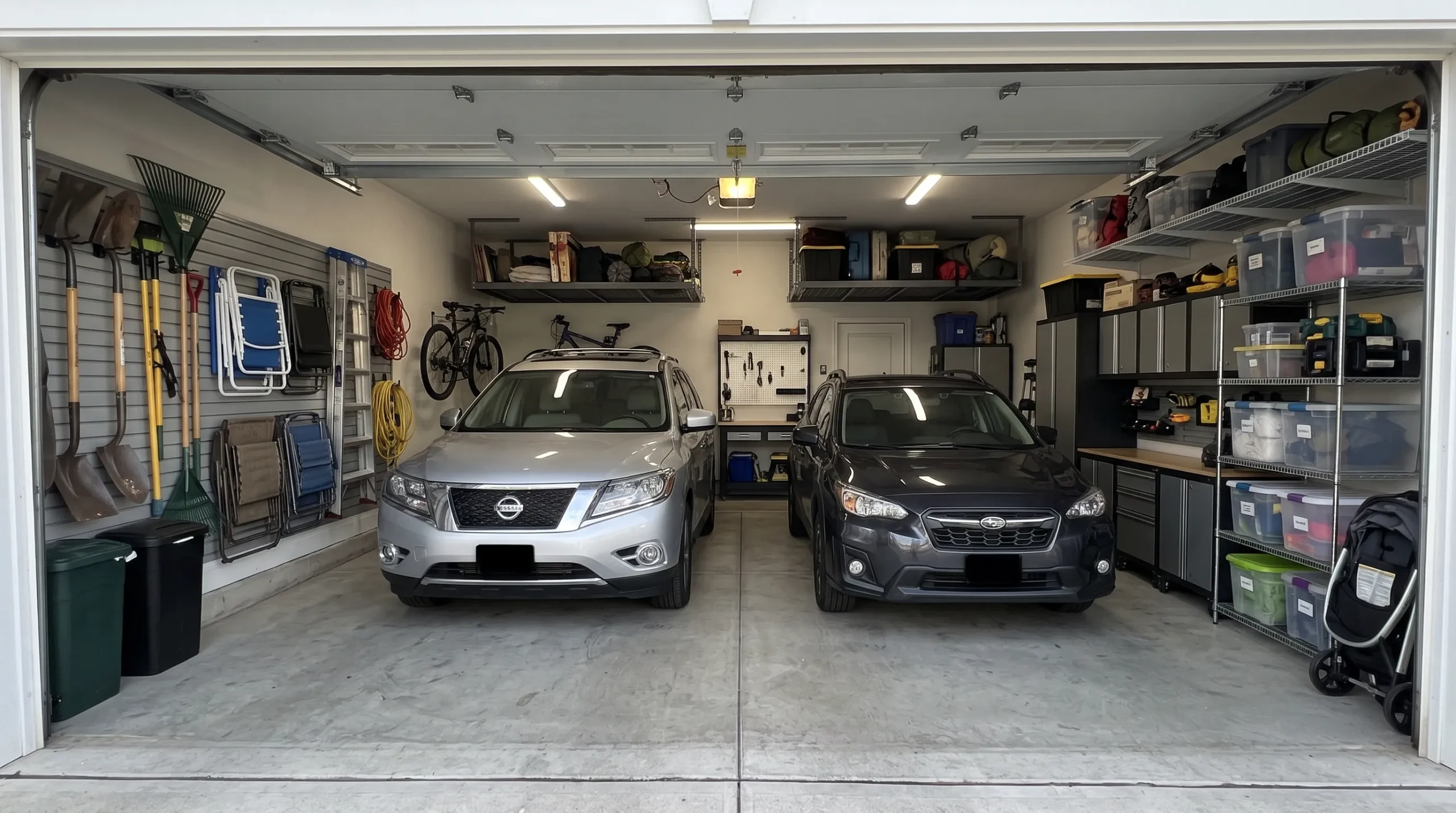
Start by dividing the garage into simple zones:
- Vehicle parking
- Tool and work area
- General storage
- Seasonal storage
Even a basic zoning strategy creates structure and prevents clutter from spreading.
For more insights, explore the blog “What are common garage layout mistakes?” to better understand what to avoid when planning your space.
Not Using Vertical Storage Space
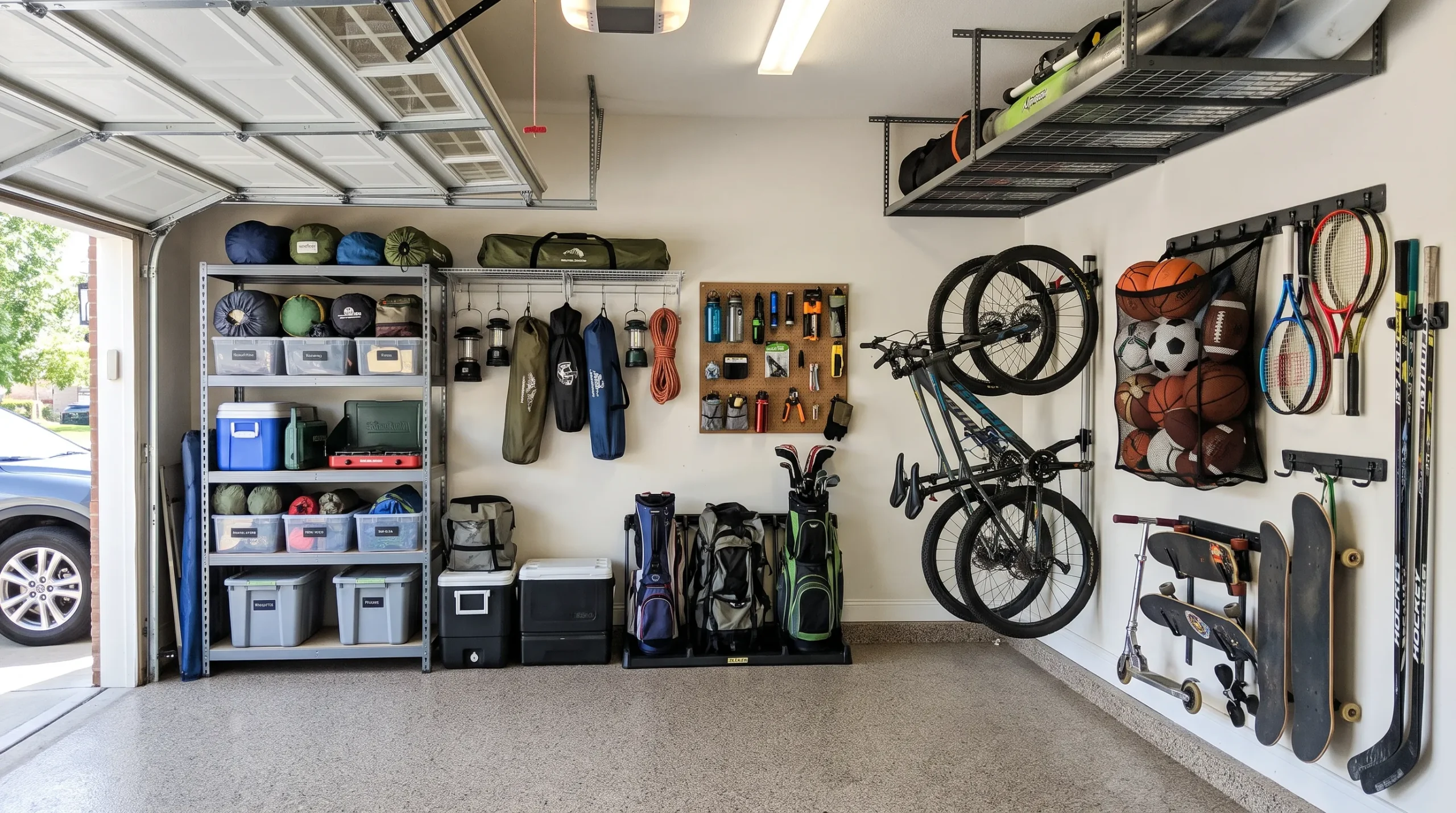
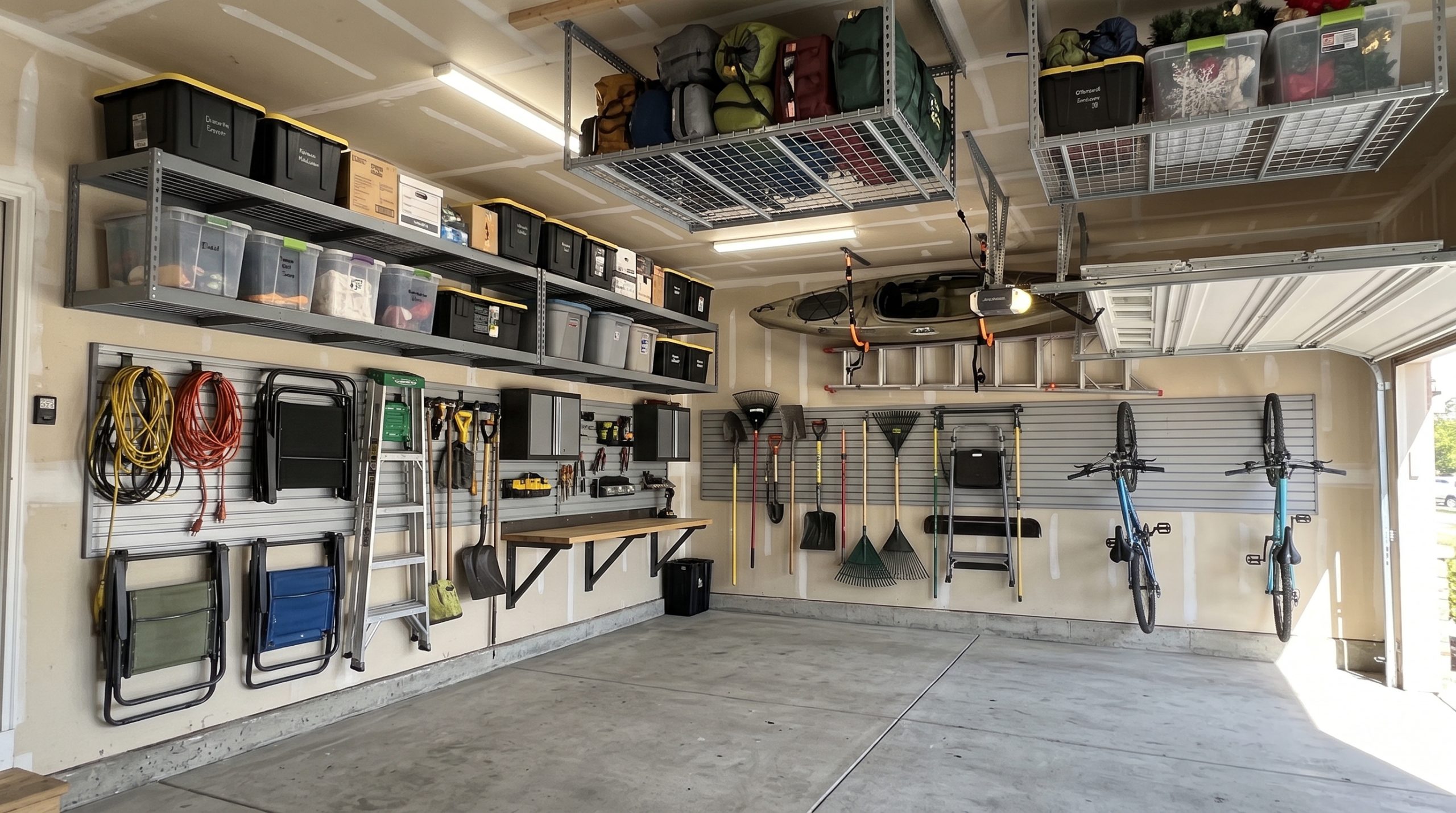
Many garages have unused wall space while the floor becomes overcrowded. This is one of the easiest problems to fix, yet it is often overlooked.
Why This Becomes a Problem
When everything is stored on the floor, movement becomes limited. Parking becomes more difficult and items are harder to find. Over time, the garage starts to feel smaller than it actually is.
What to Check
- Are items stacked on the floor instead of mounted on walls?
- Are walls empty or underused?
- Is there unused overhead space?
Practical Tip
Install vertical storage solutions such as:
- Garage shelving for bins and bulk items
- Wall hooks for tools and equipment
- Slatwall panels for flexible storage
Using vertical space opens up the floor and makes the garage easier to navigate.
For a deeper understanding, check out the blog “How does garage layout affect daily functionality?” to see how these improvements impact everyday use.
Poor Placement of Storage Systems
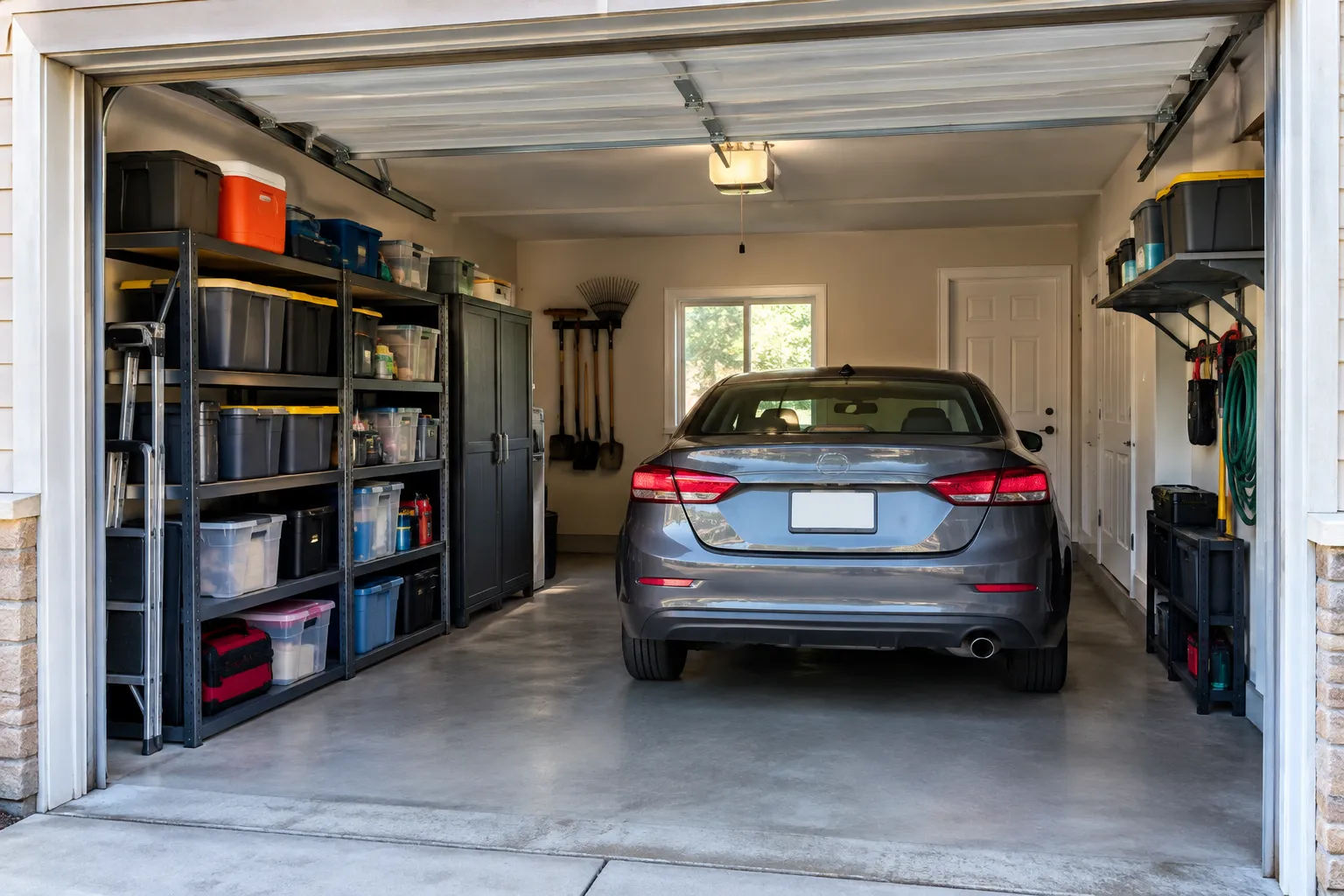
Even well-designed storage systems can fail if they are placed incorrectly.
Why This Becomes a Problem
Improper placement can block movement, reduce parking space and interfere with garage door operation. A layout that looks organized may still feel inconvenient in daily use.
What to Check
- Are shelves too close to where vehicles park?
- Do storage units block garage door tracks or sensors?
- Is there enough space to move comfortably?
Practical Tip
Plan placement based on usage:
- Keep frequently used items near entry points
- Store large or rarely used items farther away
- Maintain clear space around garage door systems
A functional layout always balances storage with accessibility.
To learn more, read the blog “What makes a garage layout inefficient or cramped?” for deeper insights on common layout issues.
Ignoring Omaha’s Seasonal Needs
Seasonal changes play a major role in garage organization, especially in Omaha.
Why This Becomes a Problem
Different times of the year require different tools and equipment. Without a system in place, seasonal items pile up and disrupt the layout.
Winter brings:
- Snow shovels
- Ice melt and salt
- Wet boots and gear
Summer introduces:
- Lawn equipment
- Gardening tools
- Outdoor furniture
Without proper planning, these items compete for space.
What to Check
- Is there a designated area for seasonal items?
- Are weather-sensitive tools protected?
- Is there a rotation system in place?
Practical Tip
Store off-season items in higher or less accessible areas. Keep current seasonal tools within easy reach to maintain efficiency throughout the year.
Too Much Clutter
Clutter is one of the biggest obstacles in garage layout planning. Even the best storage systems cannot function properly when there is too much to store.
Why This Becomes a Problem
Over time, garages become storage spaces for items that are no longer needed. Broken tools, unused equipment and duplicates take up valuable space.
This reduces efficiency and makes organization difficult to maintain.
What to Check
- Are unused items taking up space?
- Are there duplicates of tools or equipment?
- Are broken items being stored instead of discarded?
Practical Tip
Decluttering should always be the first step:
- Keep items that are regularly used
- Donate items in good condition
- Dispose of broken or unusable items
Reducing clutter creates more room and improves overall layout.
Choosing the Wrong Storage Solutions
Not all storage systems are suitable for every garage. Choosing the wrong type can lead to frustration and inefficiency.
Why This Becomes a Problem
Low-quality or mismatched storage solutions may not hold up over time. Some systems may not fit the size or type of items being stored.
What to Check
- Are storage units durable and weather-resistant?
- Do they match the size of stored items?
- Are they easy to access and maintain?
Practical Tip
Use a combination of storage types:
- Garage cabinets for enclosed storage and protection
- Garage shelving for larger or bulk items
- Slatwall systems for tools and frequently used equipment
A balanced system allows flexibility and long-term usability.
Blocking Garage Door Components
Garage door systems are often overlooked during layout planning, yet they play a critical role in functionality and safety.
Why This Becomes a Problem
Obstructing garage door components can lead to operational issues and increase the risk of damage or accidents.
What to Check
- Are tracks, sensors, or openers blocked?
- Is there enough clearance for smooth operation?
- Are items stored too close to moving parts?
Practical Tip
Keep all garage door components:
- Visible
- Accessible
- Free from obstruction
Maintaining clear space ensures safe and reliable operation.
Poor Accessibility and Daily Convenience
A garage may appear organized but still feel difficult to use.
Why This Becomes a Problem
If frequently used items are hard to reach, daily routines become inefficient. This often leads to items being left out, creating clutter again.
What to Check
- Are commonly used tools easy to access?
- Do items need to be moved frequently to reach others?
Practical Tip
Store frequently used items:
- At eye level
- Near entry points
- Within easy reach
Convenience should always be a priority in layout planning.
Overlooking Safety and Walkways
Safety is an important but often overlooked factor in garage layout planning.
Why This Becomes a Problem
Blocked walkways, unstable storage and poor lighting can increase the risk of accidents.
What to Check
- Are walkways clear and wide enough?
- Are heavy items stored securely?
- Is lighting sufficient?
Practical Tip
Maintain clear paths for walking and carrying items. Ensure all storage systems are stable and properly installed.
Not Seeking Professional Guidance When Needed
Some garage layout challenges require more than simple adjustments.
Why This Becomes a Problem
Structural limitations, garage door issues, or persistent layout problems may not improve without expert input.
What to Check
- Does the garage door operate smoothly?
- Do layout changes fail to improve functionality?
- Are there safety concerns?
Practical Tip
Professional assistance may be helpful when:
- Garage door systems are difficult to operate
- Storage changes do not improve efficiency
- Structural limitations affect layout
Expert support ensures the garage is safe and properly optimized.
The Benefits of a Well-Planned Garage Layout
Understanding the benefits helps highlight why proper planning matters.
Improved Daily Convenience
An organized garage saves time. Tools, equipment and stored items are easier to find and access.
Better Safety
Clear walkways and proper storage reduce the risk of accidents. Garage door systems also operate more safely when unobstructed.
Equipment Protection
Proper storage protects tools and equipment from Omaha’s changing weather conditions, helping them last longer.
Increased Usable Space
A well-planned layout makes even a small garage feel larger and more functional.
Average Cost Insight for Garage Improvements in Omaha
Garage improvements vary depending on the level of work involved:
- Basic organization: low cost
- Garage shelving, garage slatwall and storage systems: moderate investment
- Custom cabinets and full redesign: higher investment
Even small upgrades can deliver noticeable improvements in space and functionality.
Simple Tips to Improve Garage Layout
Improving a garage layout does not always require major renovations. Small changes can make a big difference.
Helpful tips include:
- Start with decluttering and removing unused items
- Keep walkways and garage door areas clear
- Use vertical storage like garage shelving to maximize space
- Ensure garage door components remain unobstructed
- Invest in durable and weather-resistant storage solutions
- Plan for seasonal changes in Omaha
These adjustments can significantly improve daily functionality.
A Smarter Approach to Garage Layout Planning
Garage layout planning becomes much easier when common challenges are understood and addressed early. Most struggles come from lack of planning, overcrowding and ignoring how the space is used on a daily basis.
In Omaha, seasonal conditions add another layer of complexity. Proper storage, clear walkways and unobstructed garage door systems are essential for maintaining a functional space. Incorporating solutions like garage cabinets can help keep items protected, organized and out of the way while maintaining a clean and structured layout.
With thoughtful planning and the right adjustments, a garage can become more than just a storage area. It can support daily routines, improve safety and provide long-term value for the home.
Upgrade Your Garage with Professional Solutions
For homeowners looking to take their garage to the next level, Platinum Garage Solutions offers professional expertise in creating efficient, customized garage spaces designed for long-term functionality. From smart storage systems to optimized layouts, our solutions are built to match real-life needs. If the goal is a safer, more organized and more usable garage, contact us today or give us a call to start transforming the space.
Frequently Asked Questions
Garage layout planning ensures safe movement, proper storage and smooth garage door operation. A well-planned space reduces clutter and improves daily efficiency.
The most common mistake is organizing without a clear plan. This leads to poor storage placement, blocked access and ongoing clutter.
A poor layout can block tracks, sensors and openers. This can cause operational issues and increase the risk of damage or safety hazards, as highlighted by InterNACHI on their garage inspection guide.
Garage door tracks, sensors and opener systems should always remain clear. Walkways and vehicle paths should also be unobstructed.
Using vertical storage like shelving, cabinets and slatwall systems helps free up floor space and improve organization, as highlighted by This Old House in their garage design insights.
A garage should be reviewed and reorganized at least twice a year, especially during seasonal transitions in areas like Omaha.
A combination of garage cabinets, shelving and wall-mounted systems provides flexibility, durability and better organization.
Seasonal items should be rotated. Keep current items accessible and store off-season items in higher or less-used spaces.
Professional help is recommended when garage doors are difficult to operate, safety concerns exist, or layout changes do not improve functionality.
Yes. Proper organization reduces trip hazards, keeps exits clear and ensures garage door systems operate safely and efficiently.